Bodhicitta, Lojong & Tonglen (Mind Training in Seven Points)
Śāntideva, Atiśa & Chekawa’s Radical Antidote to Self-Preoccupation
Defined as the awakened heart uniting boundless compassion for all beings with wisdom aiming at complete enlightenment, bodhicitta is trained in everyday friction through Lojong slogans and the breath-based meditation of Tonglen (“giving and taking”).
Walking vs. Wishing to Walk: Two Dimensions of Bodhicitta
Eighth-century Nālandā poet-philosopher Śāntideva drew an unforgettable analogy in his Way of the Bodhisattva (Bodhicaryāvatāra): Relative Bodhicitta unfolds as (1) Aspiring Bodhicitta—sincerely wishing all beings be free from suffering, like deciding to travel to a distant city; and (2) Engaging Bodhicitta—actually taking steps each day through generosity, ethical restraint, patience, joyful effort, concentration, and wisdom. Deeper still lies Ultimate Bodhicitta: direct non-dual insight into emptiness, realizing self and other were never walled apart to begin with.
To bring this down from lofty theory into messy human relationships, Atiśa sailed twelve perilous months to Sumatra to study under Dharmakīrti of Suvarṇadvīpa (Serlingpa), bringing back the oral pith slogans later written down by 12th-century Geshe Chekawa as Seven-Point Mind Training (Blo-sbyong don-bdun-ma).
| Lojong Pillar / Step | Classic Slogan | Everyday Psychological Application |
|---|---|---|
| 1. Preliminaries | First, train in the preliminaries (Four Thoughts) | Remembering preciousness & brevity of life cuts petty grudges |
| 2. Ultimate & Relative Bodhicitta | Regard all dharmas as dreams; mount sending & taking upon the breath | Inhale pain as dark smoke into an open heart; exhale cool light of relief |
| 3. Transforming Adversity | When the world is filled with difficulty, transform mishaps into the path | Treat irritating people as rare coaches training your patience |
| 4. Lifelong Synthesis | Practice the Five Strengths: Intention, Familiarity, Positive Seed, Reproach, Dedication | Aligning morning resolve, daily habit, and final letting-go |
How Tonglen Breath Meditation Works Without Harming Yourself
Newcomers to Tonglen often hesitate: “If I visualize breathing in someone’s pain as heavy smoke, won’t it make me sick?” Tibetan teachers smile and clarify the physics of the visualization: the dark smoke never lands in your lungs or personal body—it hits the cramped, fearful knot of ego-clinging at your heart and dissolves instantly into spacious emptiness, while your exhalation radiates effortless warmth and relief outward to everyone facing that exact struggle today.
How It Is Practiced in Living Tradition
Practiced silently anywhere—on subways, in hospital waiting rooms, or when reading tragic news—turning helpless bystander distress into active inner warmth.
Common Questions & Clarifications
Does Lojong “driving all blames into one” mean letting abusive people mistreat you?
Never! In Tibetan commentary, the “one” blamed is NEVER your human dignity—it is ego-fixation (bdag-’dzin). Compassion includes wise boundaries; stopping someone from causing harm without hating them in your heart is authentic bodhisattva action.
Primary Sources & Further Reading
- Śāntideva, The Way of the Bodhisattva (Bodhicaryāvatāra, Padmakara Translation)
- Thupten Jinpa (trans.), Mind Training: The Great Collection (Lo-jong Gyatsa, Wisdom Classics)
Connected in the Mandala Graph
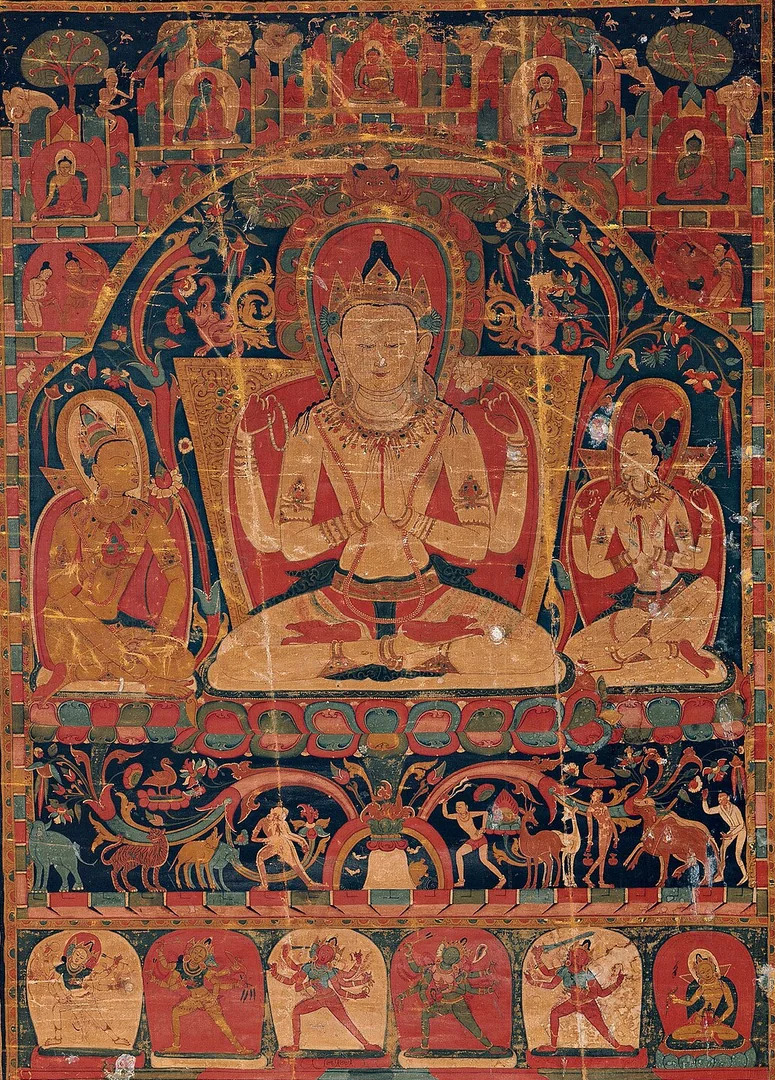
Avalokiteśvara (Chenrezig)
Known in Tibetan as Chenrezig (“One Who Gazes with Unwavering Eyes”), the four-armed white form embodies impartial compassion united with emptiness, associated with the Six-Syllable Mantra Oṃ Maṇi Padme Hūṃ.
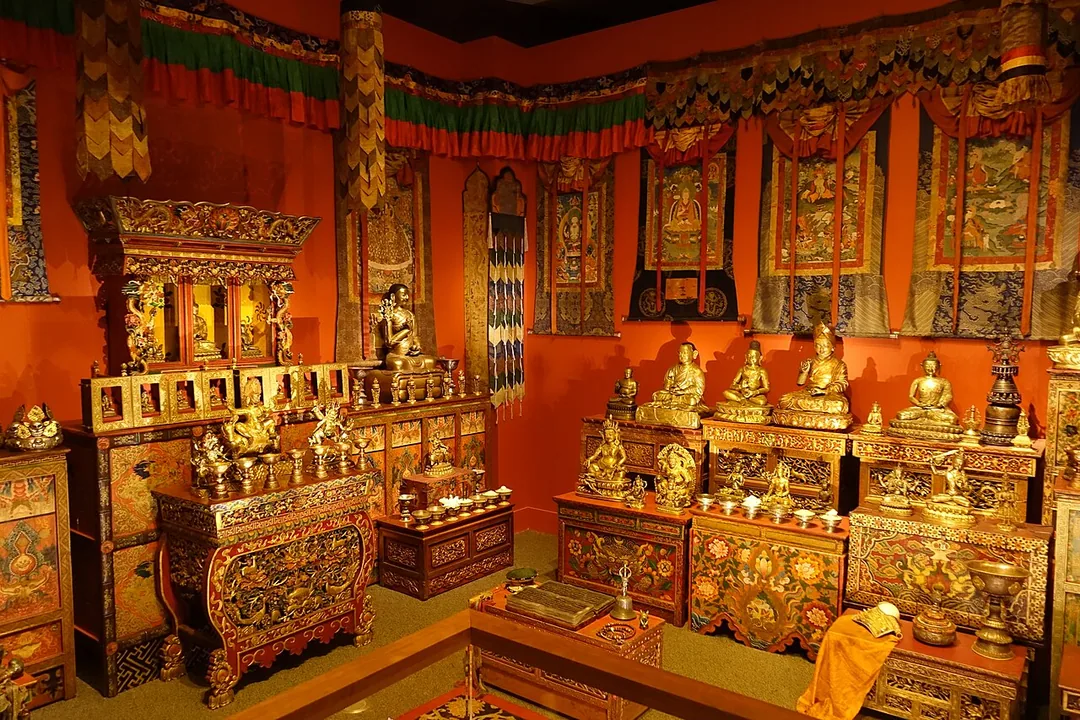
Dedication of Merit (Bsngo-ba · 回向)
No Tibetan contemplation, sutra reading, or prayer-wheel turn ends abruptly; it concludes with bsngo-ba (“turning toward”)—deliberately widening a private wish so everyone walking the same hard road is included.
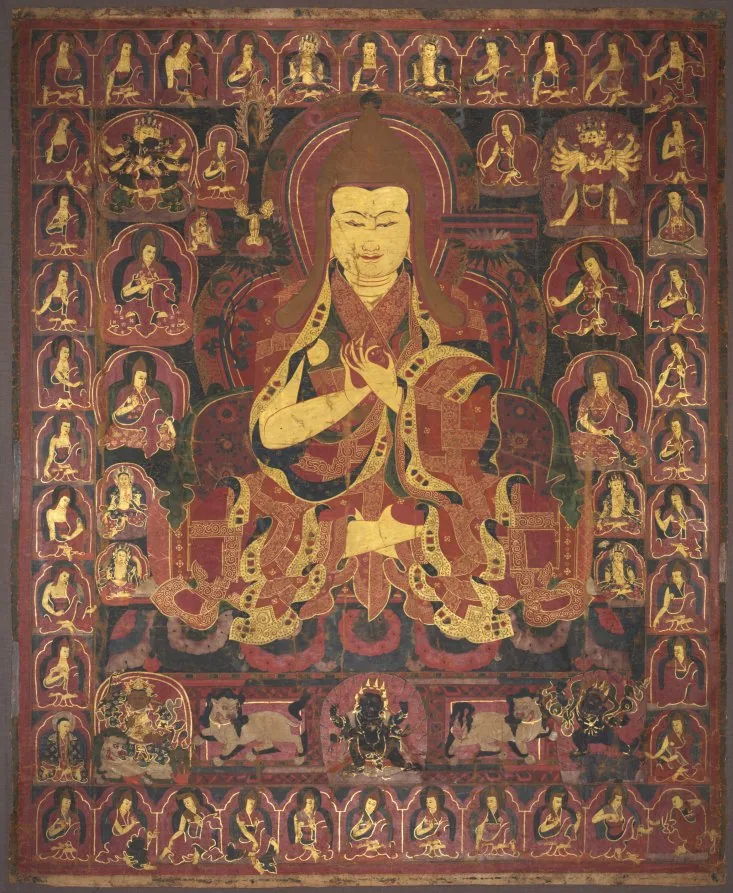
Je Tsongkhapa (Lobsang Drakpa · 1357–1419)
Born in Amdo Tsongkha (modern Qinghai Kumbum) in 1357, Je Rinpoche studied across Sakya, Kagyu, Jonang, and Kadampa masters before founding Ganden Monastery—uniting rigorous Nālandā logic, pure Vinaya discipline, and Tantric contemplation into one seamless graduated path (Lamrim).
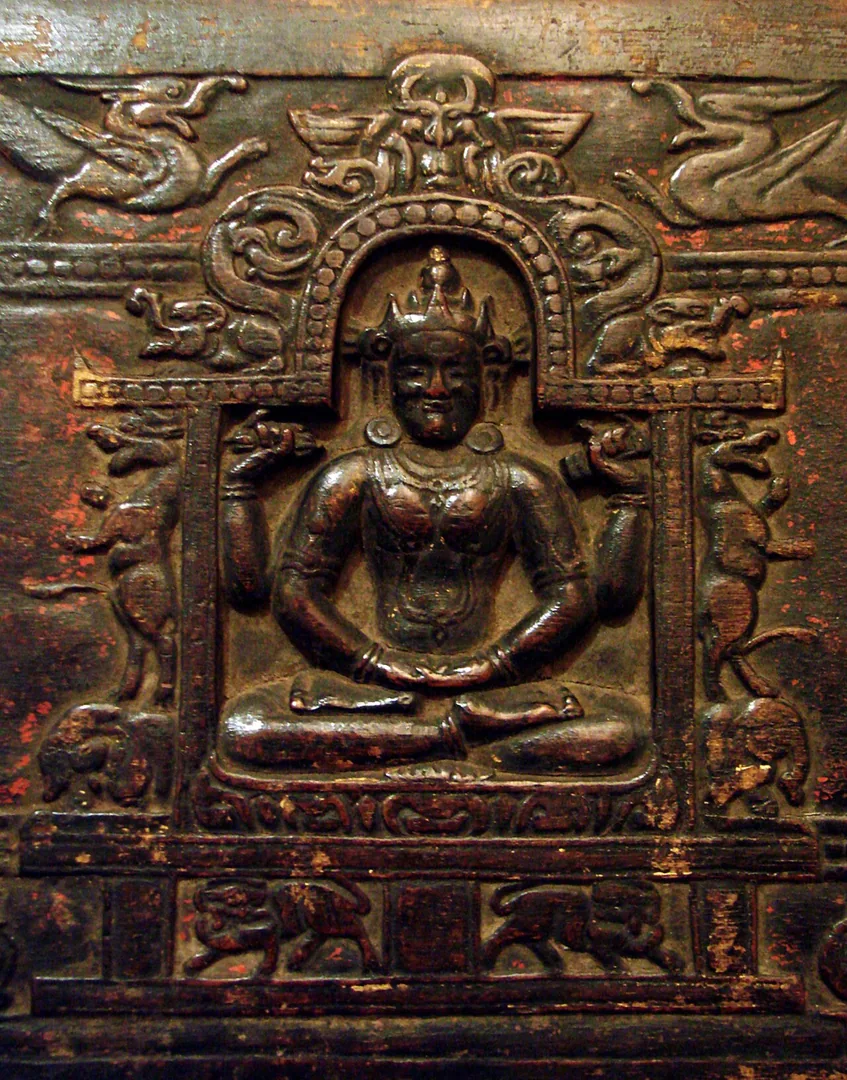
Śūnyatā (Emptiness) & the Two Truths (Madhyamaka)
In Nāgārjuna’s Middle Way philosophy, “emptiness” (stong-pa-nyid) never means nothing exists; it means nothing exists in frozen isolation—and precisely because things lack rigid self-nature, seeds sprout, suffering changes, and awakening works.