Hall II · གཟུངས་སྔགས། (gzungs sngags)
Mantras & Texts
A mantra (man-tra, “that which protects the mind”) anchors scattered attention in consecrated sound and meaning. Each entry pairs primary Tibetan Uchen and Sanskrit script with literal etymology.
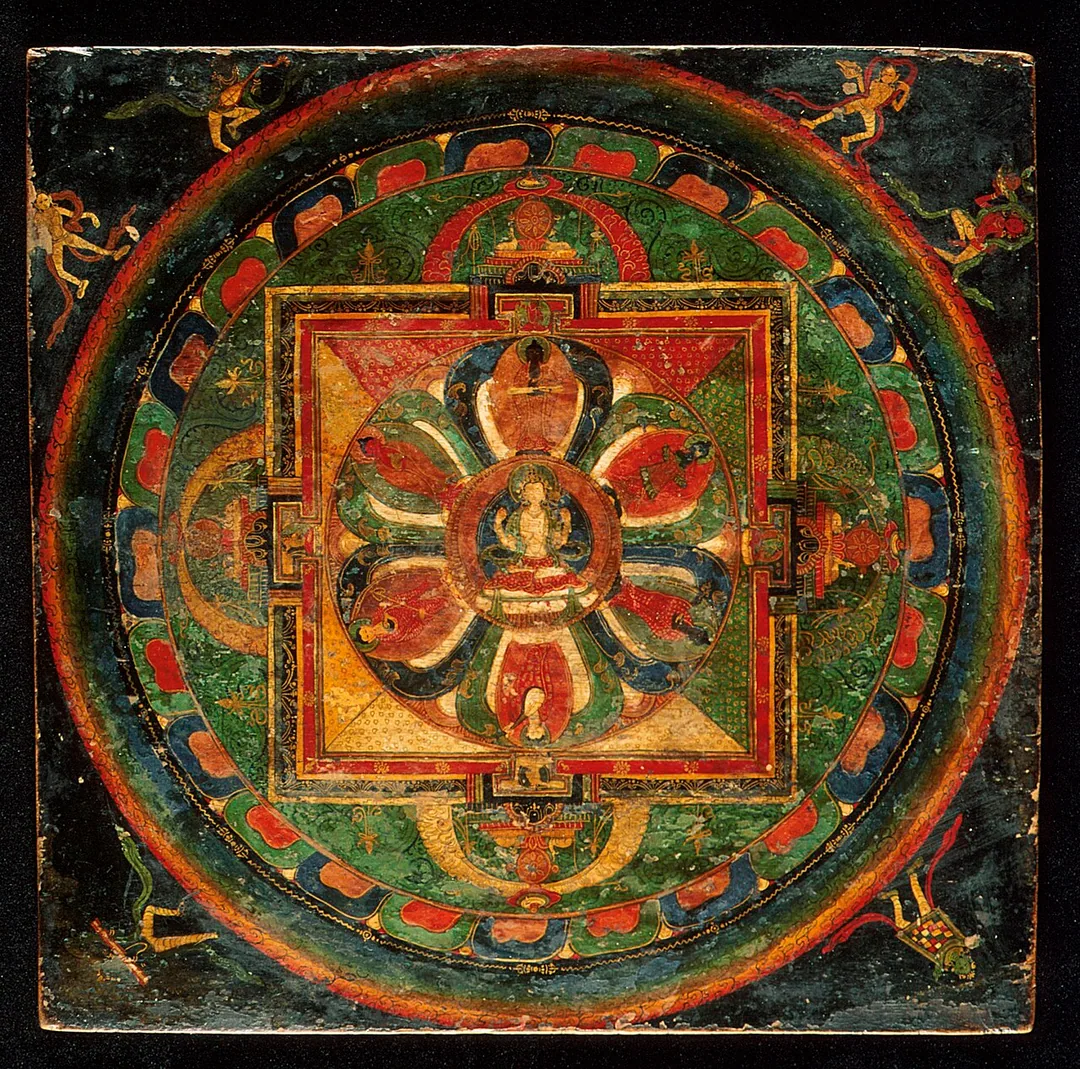
Oṃ Maṇi Padme Hūṃ (Six-Syllable Mantra)
Literally invoking the “Jewel in the Lotus,” these six syllables condense the entire Mahāyāna path: altruistic method (the wish-fulfilling jewel, maṇi) inseparable from wisdom realizing emptiness (the lotus, padma).
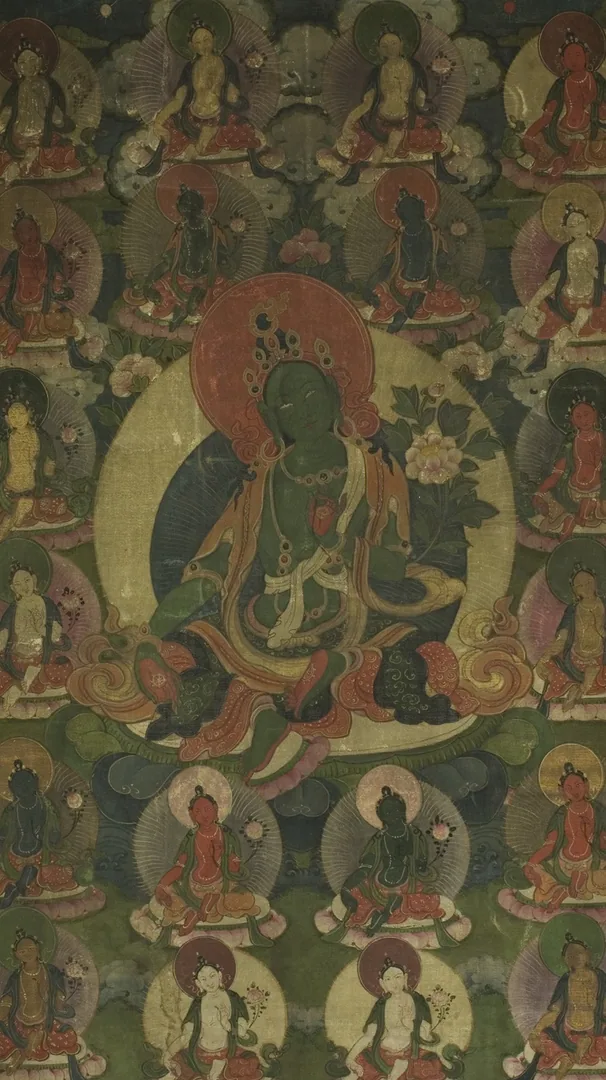
Oṃ Tāre Tuttāre Ture Svāhā (Green Tārā Mantra)
Known in Tibet as the Ten-Syllable Essence Mantra, its three variations on the Sanskrit verbal root tṛ (“to cross over”) trace a clear arc from relief in worldly crisis to freedom from inner anxiety.
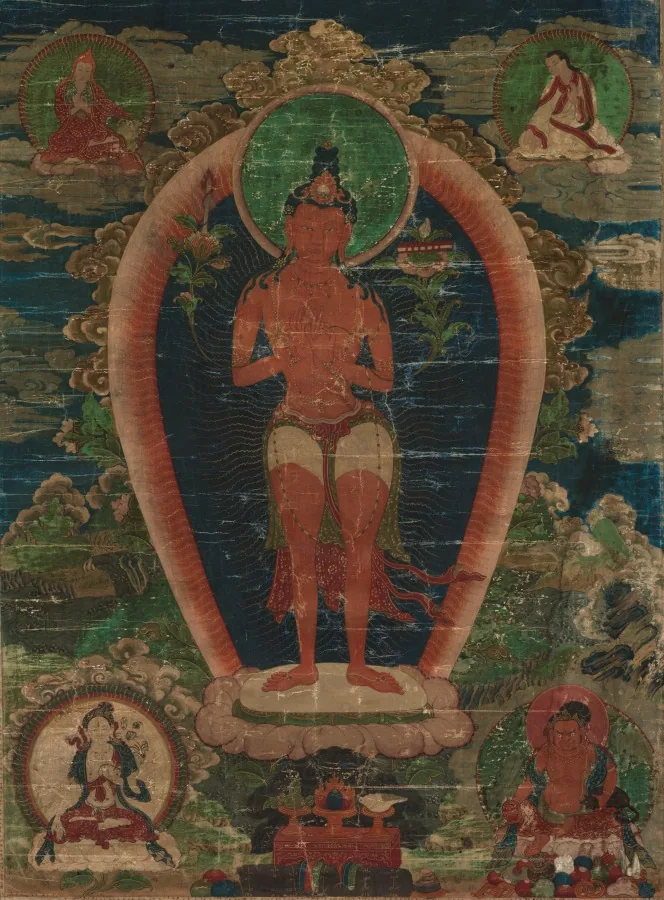
Oṃ A Ra Pa Ca Na Dhīḥ (Mañjuśrī Mantra)
Preserving the first five letters of the ancient Gāndhārī Kharoṣṭhī alphabet used in early Prajñāpāramitā manuscripts, this mantra trains the mind in lucid, unhurried discernment.
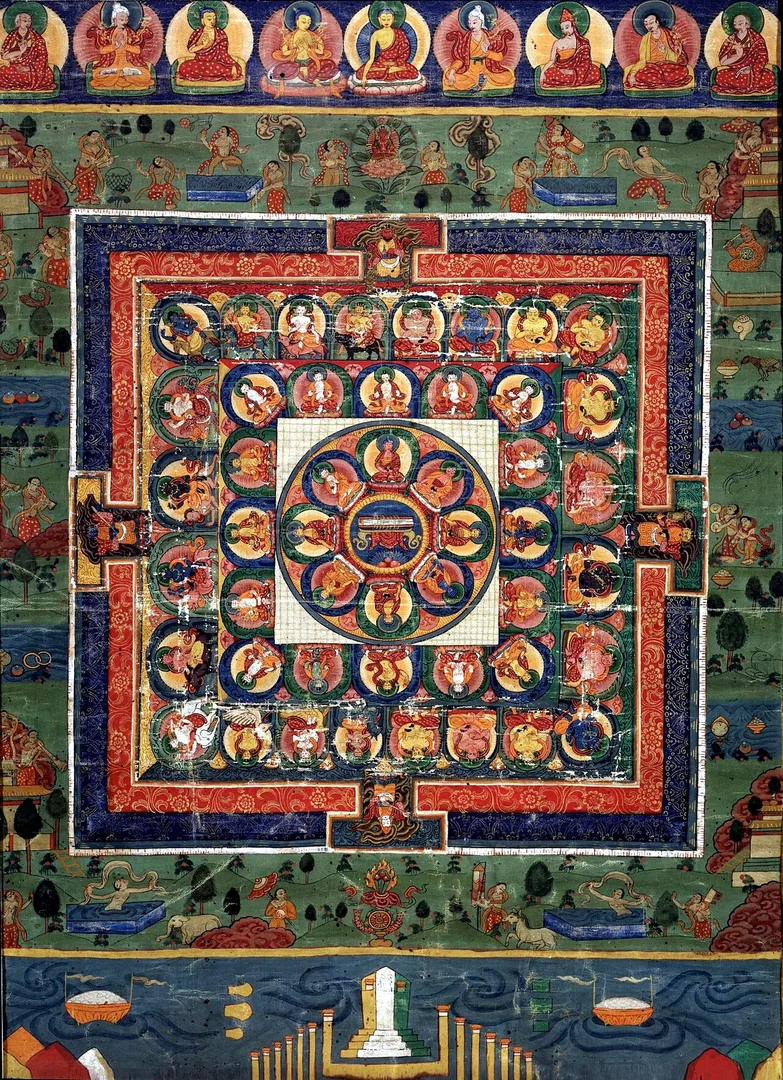
Medicine Buddha Dhāraṇī (Bekandze Mantra)
Pronounced “Bekandze” in Tibetan, the threefold repetition of Bhaiṣajye (“healing remedy”) mirrors Tibetan medicine’s holistic view that bodily recovery, emotional calm, and wisdom belong together.
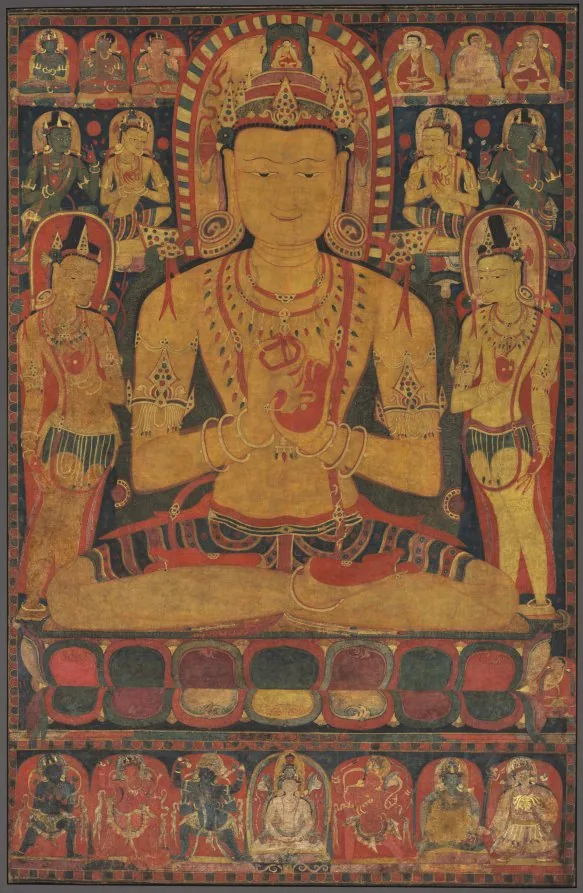
Vajrasattva Mantra & the Hundred Syllables
Whether recited in its full 100-syllable Sanskrit invocation or its six-syllable essence Oṃ Vajrasattva Hūṃ, this mantra asks awakening awareness to remain steady beside us while we clean the slate.
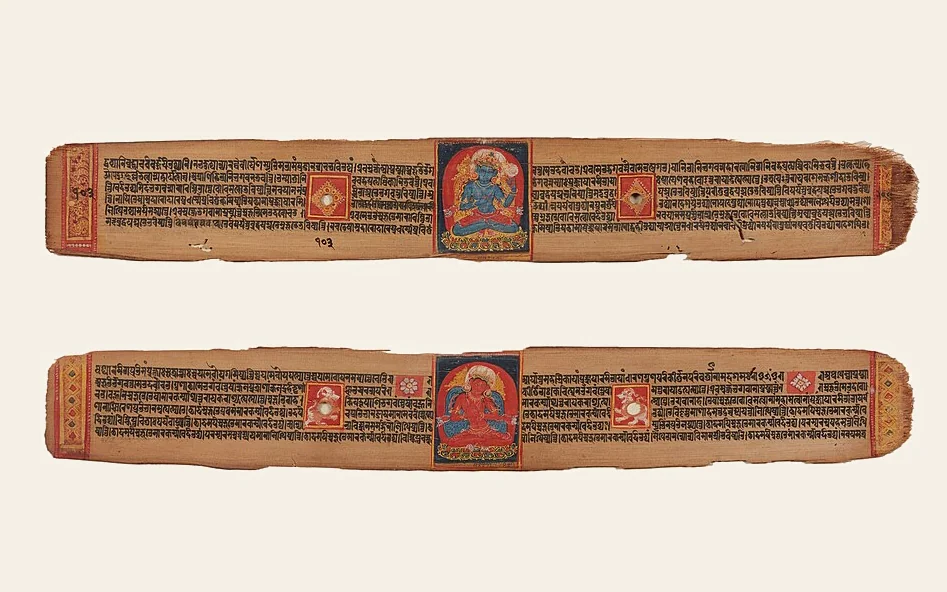
The Heart Sūtra (Sherab Nyingpo · 心经)
In 260 Chinese characters (and a slightly longer framed dialogue in the Tibetan Kangyur), Avalokiteśvara explains to Śāriputra why seeing emptiness—interdependent openness—dissolves fear.
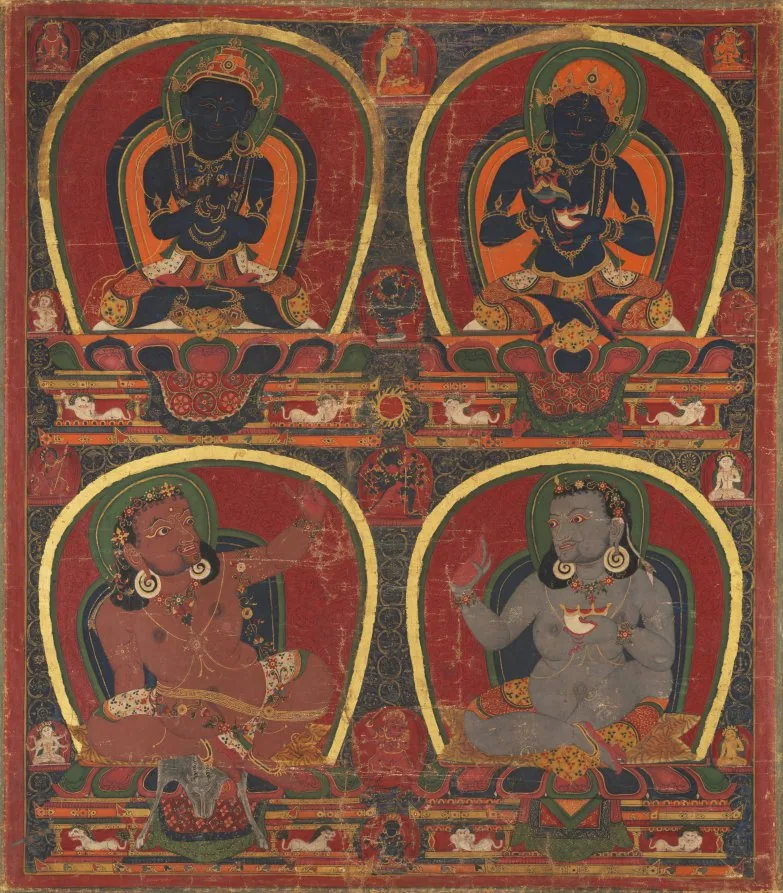
Oṃ Āḥ Hūṃ Vajra Guru Padma Siddhi Hūṃ (Vajra Guru Mantra)
Known across the Himalayas as the Vajra Guru Mantra, these twelve syllables align body, speech, and mind (Oṃ Āḥ Hūṃ) with indestructible wisdom (Vajra), noble guidance (Guru), and unstained compassion (Padma) to clear obstacles on the path.
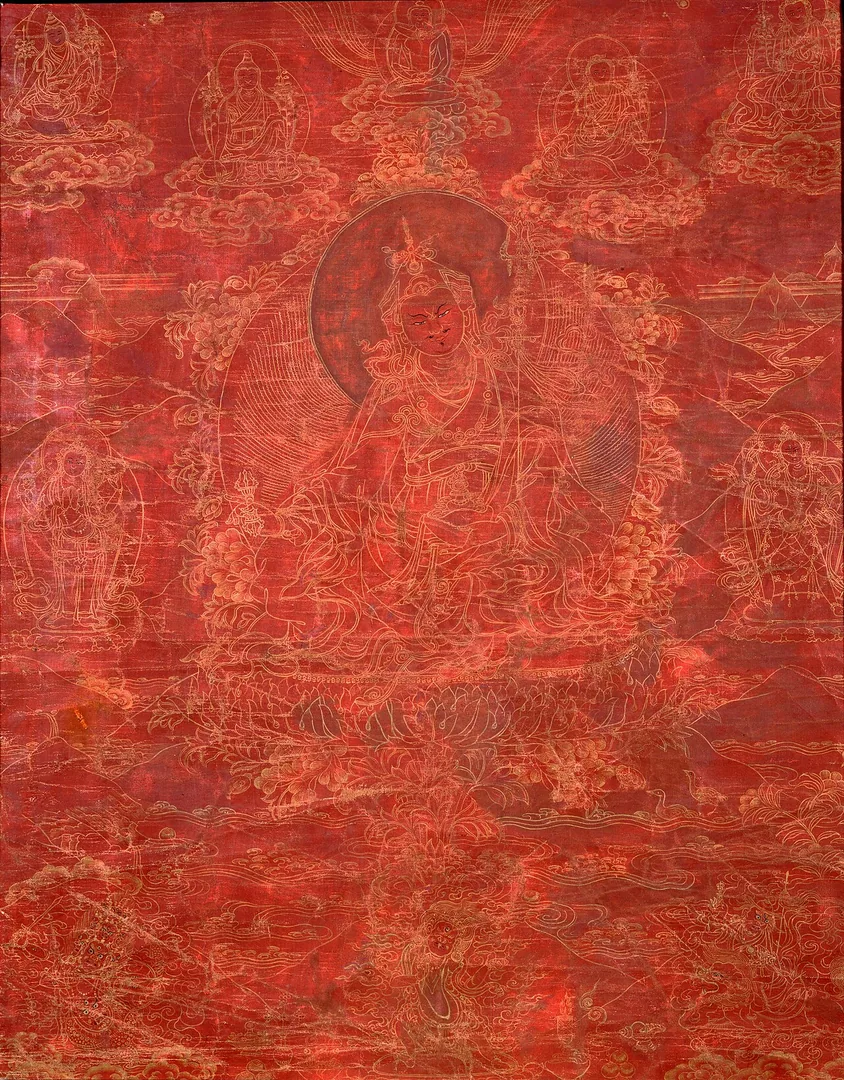
The Seven-Line Prayer to Guru Rinpoche (Tsik Dün Soldeb)
Revered across the Himalayas as the primordial invocation spoken by wisdom ḍākinīs at Nālandā, these seven metered Tibetan lines summon Padmasambhava outwardly as historical teacher and inwardly as the unborn clarity of one’s own mind (rigpa).