Open Visual Reference · Tibetan & Himalayan Buddhism
The clearest way to look up Tibetan Buddhism.
Identify any deity, decode mantra syllables, check today’s Tibetan lunar calendar, or look up core terms—in plain human words, zero ads, and verified five-script orthography.
Four Instant Tools
Look up by sight, sound, date, or term.
Visual Deity Identifier
Pick body color, leg posture, and handheld implement to identify a statue or thangka in 3 seconds.
Mantra Syllable Studio
Tap each syllable for literal meaning, singing-bowl harmonic chimes, one-click copy, and paper bookmarks.
Tibetan Auspicious Calendar
Exact Men-Tsee-Khang lunar dates for monthly 8th/10th/15th/25th days and 2026–2028 festivals + .ics sync.
Core Glossary (60 Terms)
Tulku vs. Rinpoche vs. Geshe vs. Khenpo—60 essential terms explained plainly in 5 scripts.
Complete Atlas · 46 Illustrated Guides
Browse by domain—zero walls of text.
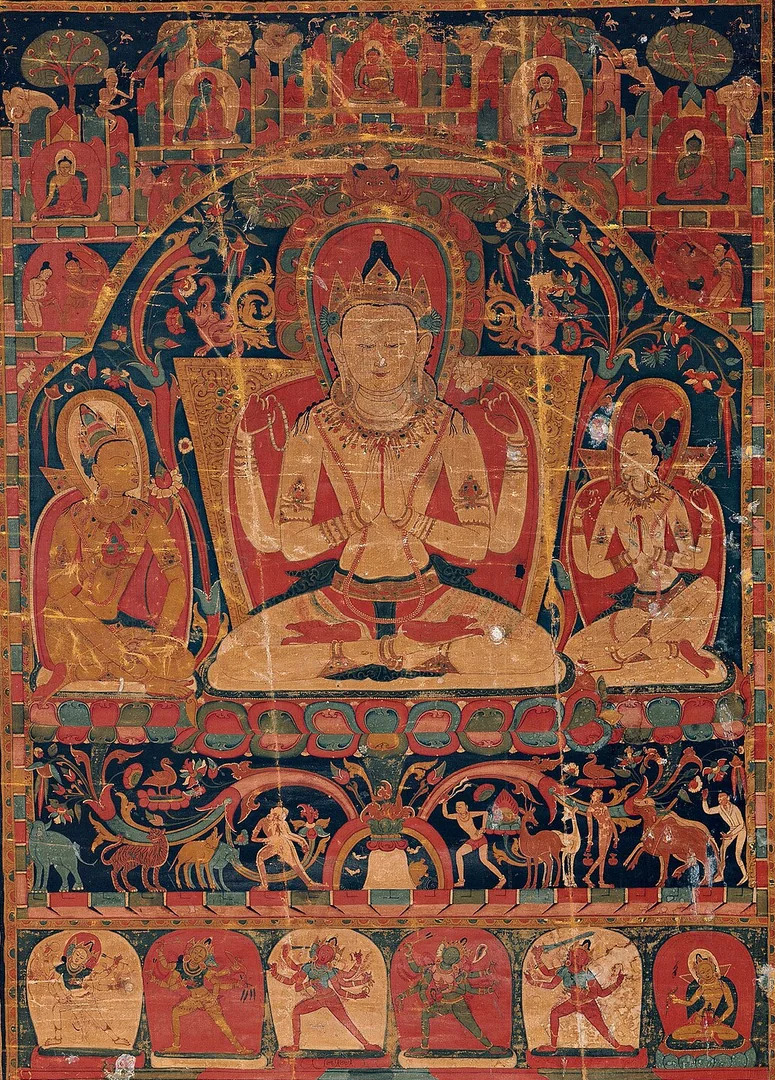
Avalokiteśvara (Chenrezig)
Known in Tibetan as Chenrezig (“One Who Gazes with Unwavering Eyes”), the four-armed white form embodies impartial compassion united with emptiness, associated with the Six-Syllable Mantra Oṃ Maṇi Padme Hūṃ.
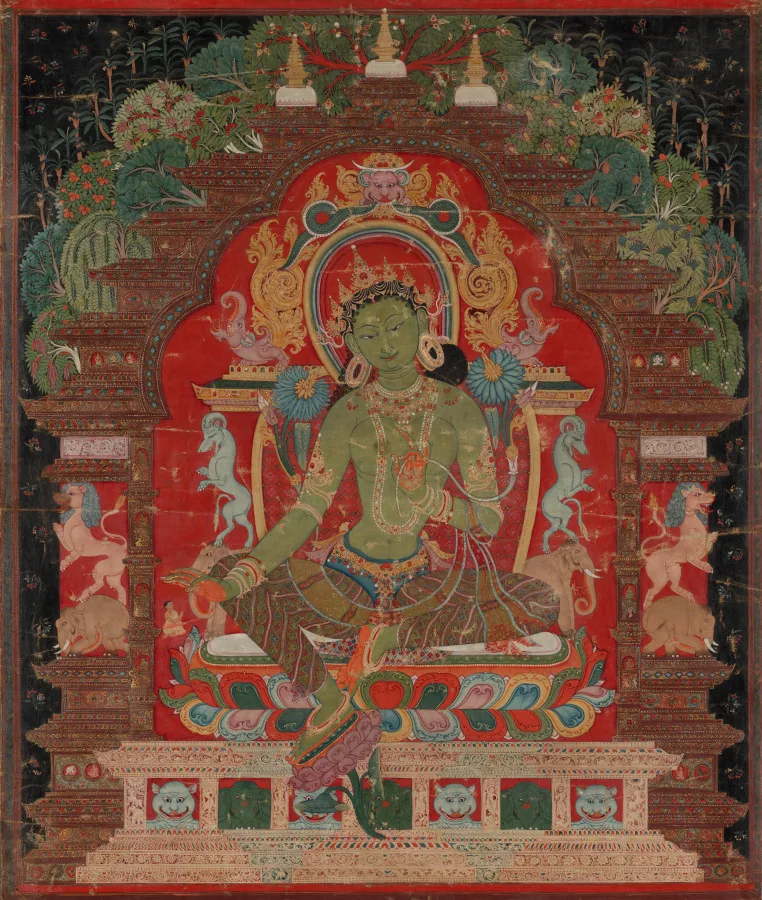
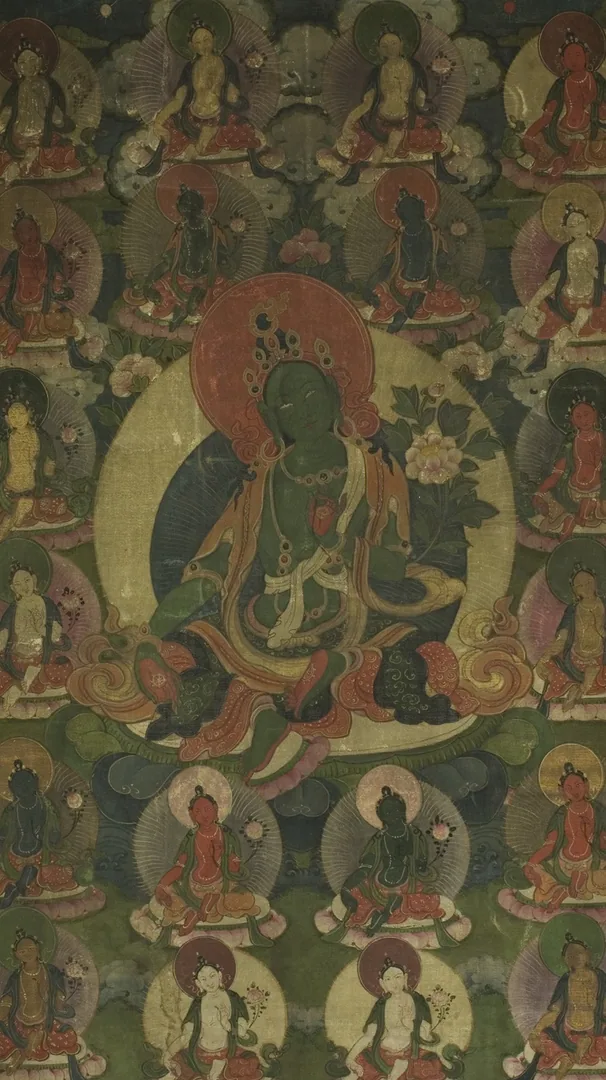
Green Tārā (Sgrol-ljang)
Seated in royal ease with her right foot already stepping off the lotus cushion, Green Tārā embodies enlightened compassion in immediate motion—green being the color of the Wind/Action Buddha Family.
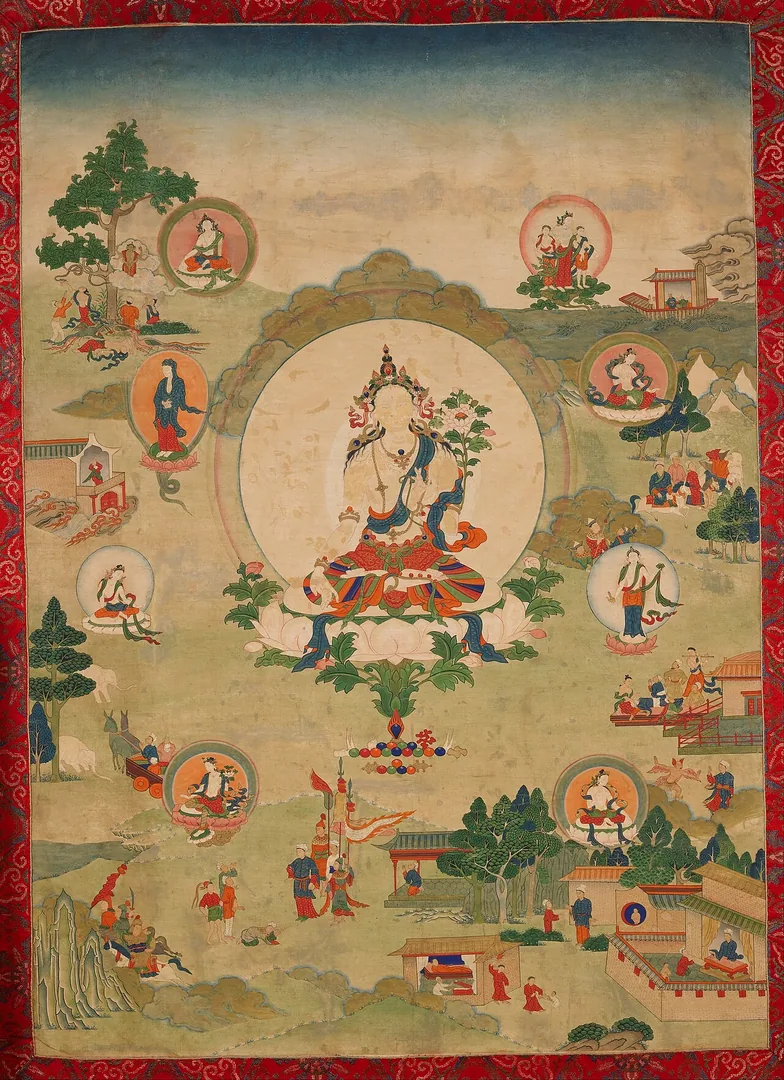
White Tārā (Sgrol-dkar)
Distinguished by seven eyes—on her forehead, palms, soles, and face—White Tārā sits in full vajra posture radiating autumn-moon serenity, forming one of Tibet’s Three Long-Life Deities.
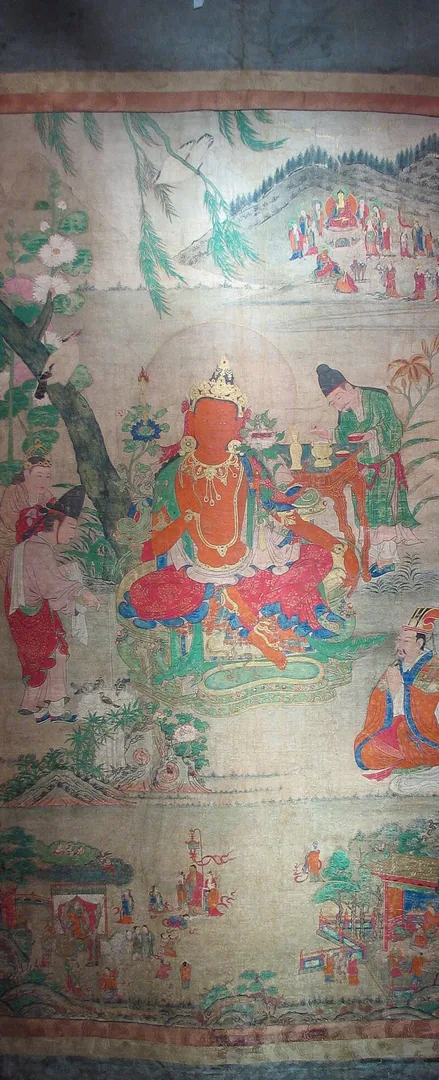
Mañjuśrī (Jampelyang)
Radiant saffron-gold in hue, Mañjuśrī raises a blazing sword overhead with his right hand to slice right through conceptual confusion, while holding the Prajñāpāramitā Sūtra on a lotus at his heart.
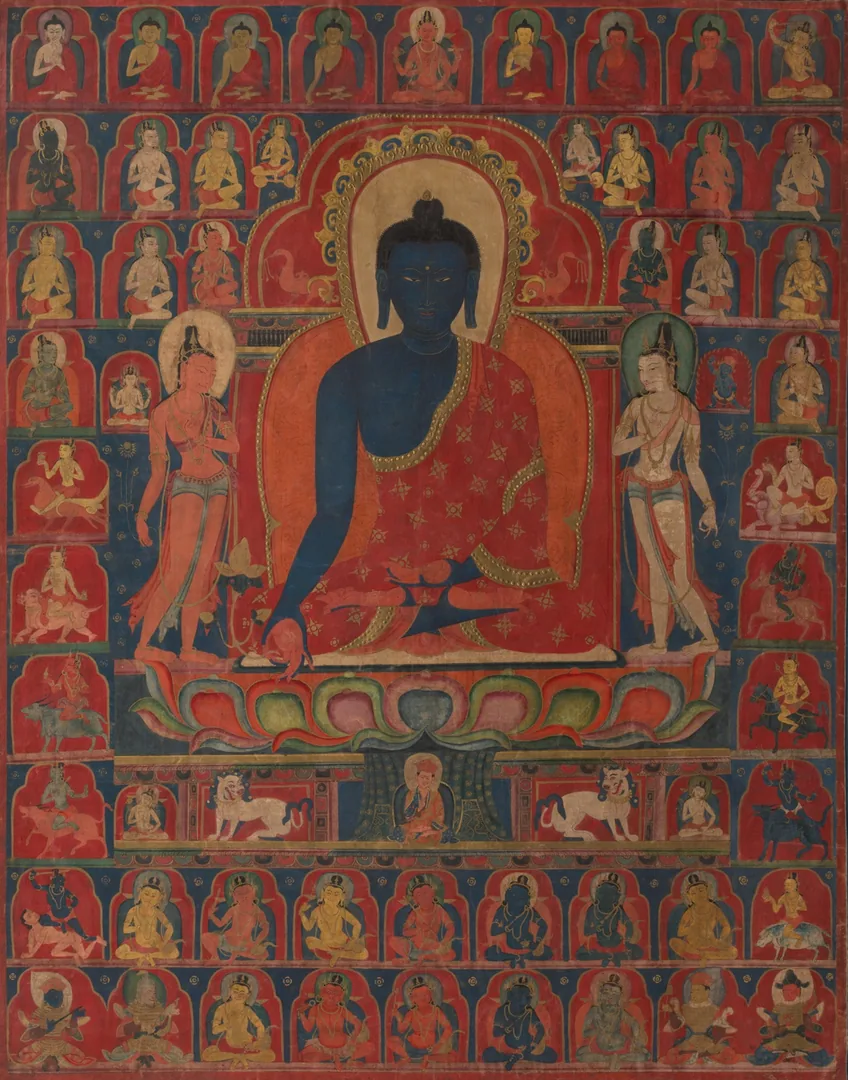
Medicine Buddha (Bhaiṣajyaguru · Sangye Menla)
Radiating deep lapis-lazuli blue, Sangye Menla wears monastic robes, holding an alms bowl of healing nectar in his left hand and a stem of golden myrobalan (arura) in his outstretched right hand.
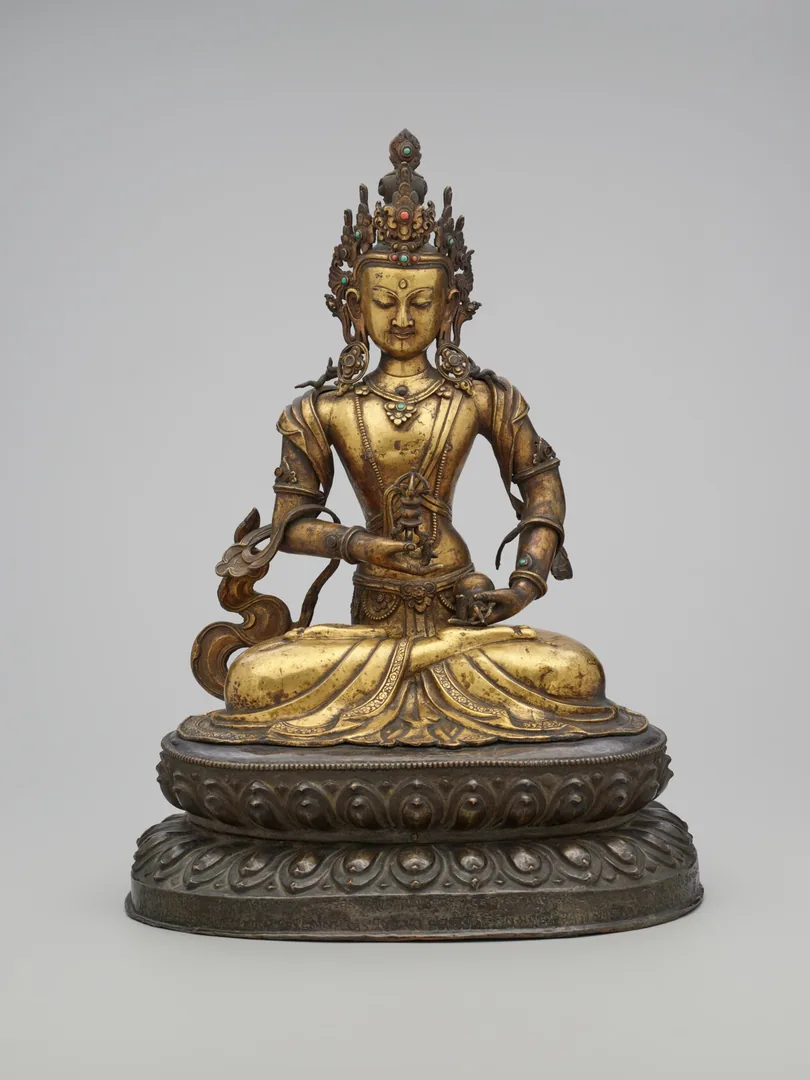
Vajrasattva (Dorje Sempa)
Radiant crystal-white in sambhogakāya ornaments, holding a five-pronged vajra at his heart and a silver bell at his hip, Vajrasattva embodies the indestructible purity underlying transient human mistakes.
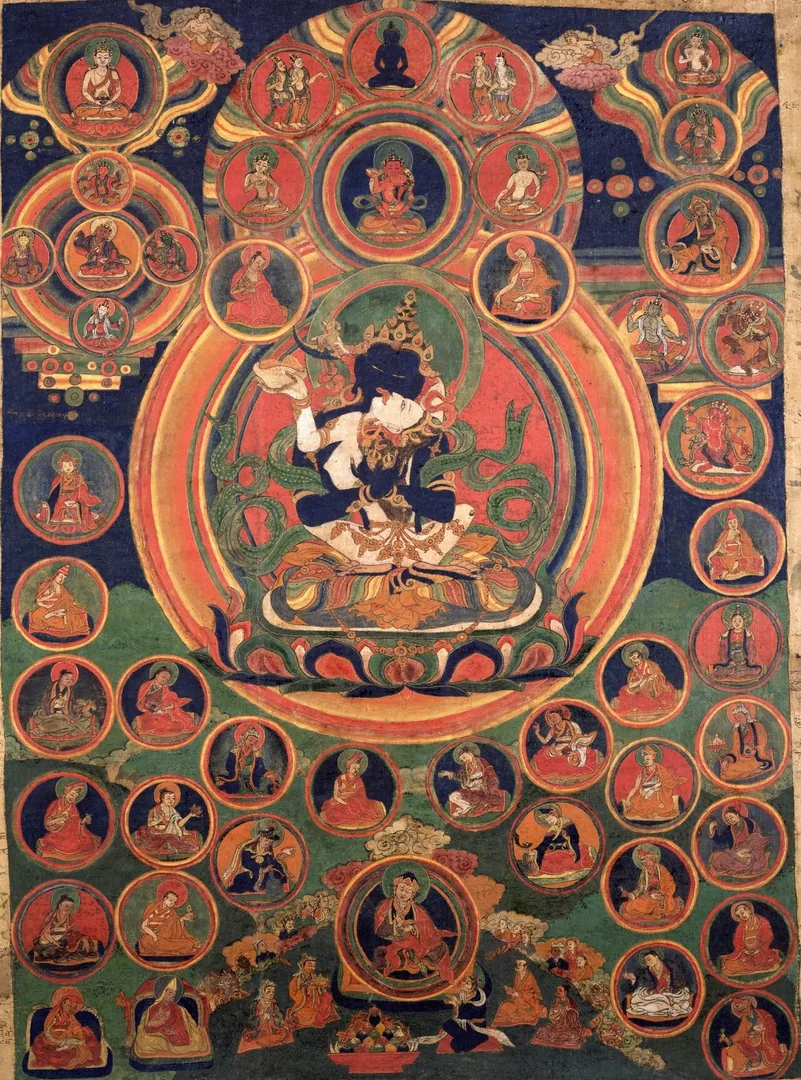
Padmasambhava (Guru Rinpoche)
Invited from Oddiyāna and Nālandā to Tibet by King Trisong Detsen in the 8th century, Padmasambhava (“Lotus-Born”) consecrated Samye Monastery and harmonized Himalayan indigenous spirits with Buddhist Dharma.
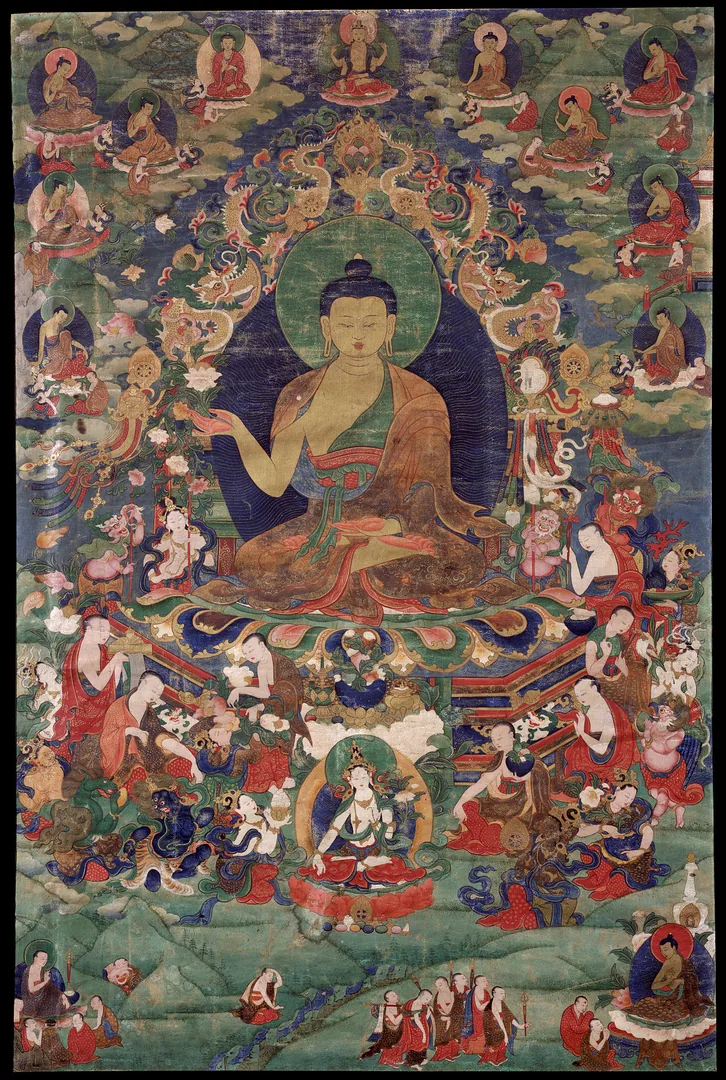
Śākyamuni Buddha (Shakya Thubpa)
Known in Tibetan as Shakya Thubpa (“Mighty Sage of the Śākyas”), the historical Buddha sits in unadorned monastic robes, touching the earth with his right fingertips to witness impartial awakening while cradling an iron alms bowl in his lap.
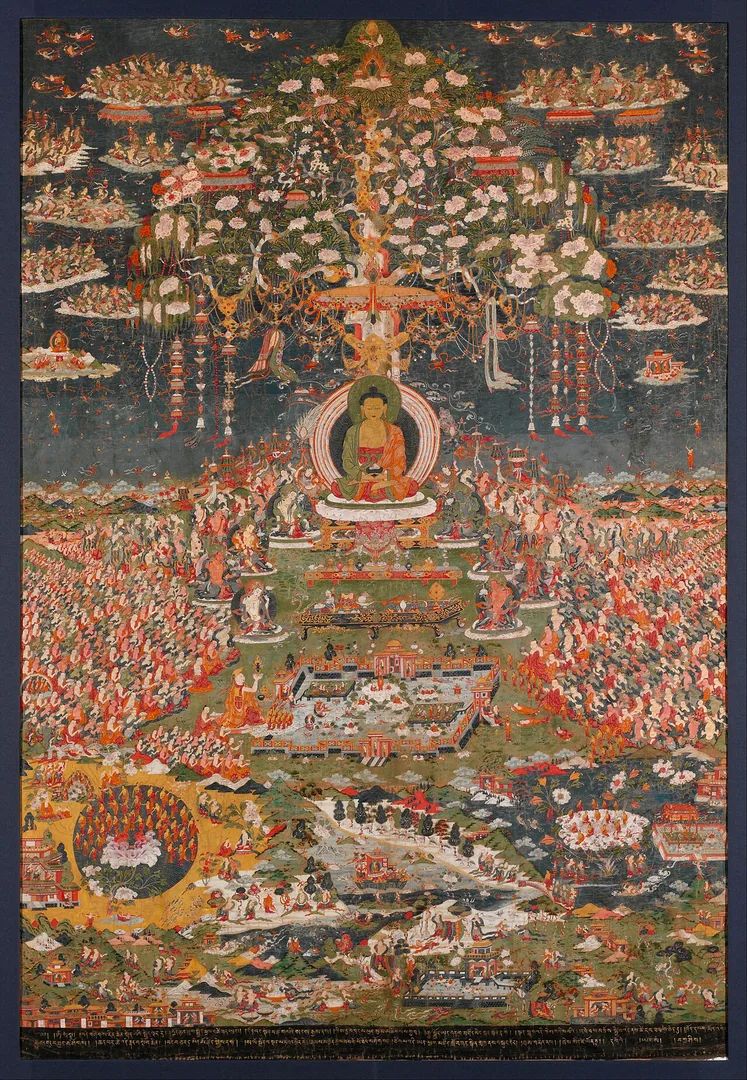
Amitābha (Öpakmé · Buddha of Infinite Light)
Radiating warm sunset-ruby red in the West of the Tibetan mandala, Amitābha (“Infinite Light,” Tibetan Öpakmé) rests both hands in meditation equipoise cradling an alms bowl of ambrosial nectar (amṛta), presiding over the Lotus Family to which Chenrezig and Padmasambhava belong.
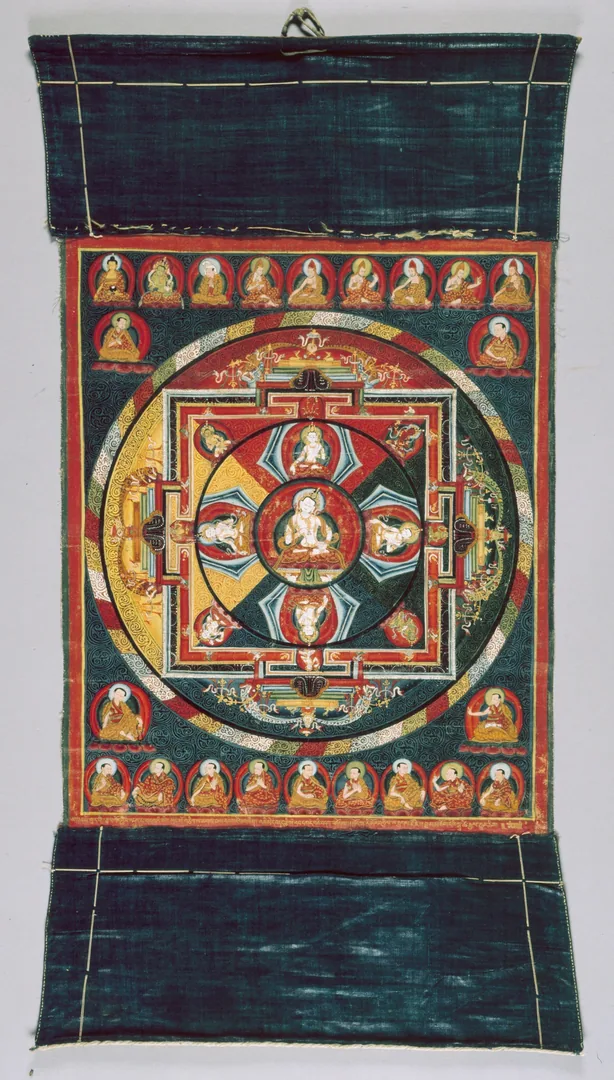
Vajrapāṇi (Chana Dorje · Wielder of the Thunderbolt)
Standing in midnight-blue warrior stance amidst blazing wisdom flames and brandishing a five-pronged vajra overhead, Vajrapāṇi embodies fearless spiritual power—completing Tibet’s beloved Rigsum Gönpo triad alongside Chenrezig (compassion) and Mañjuśrī (wisdom).
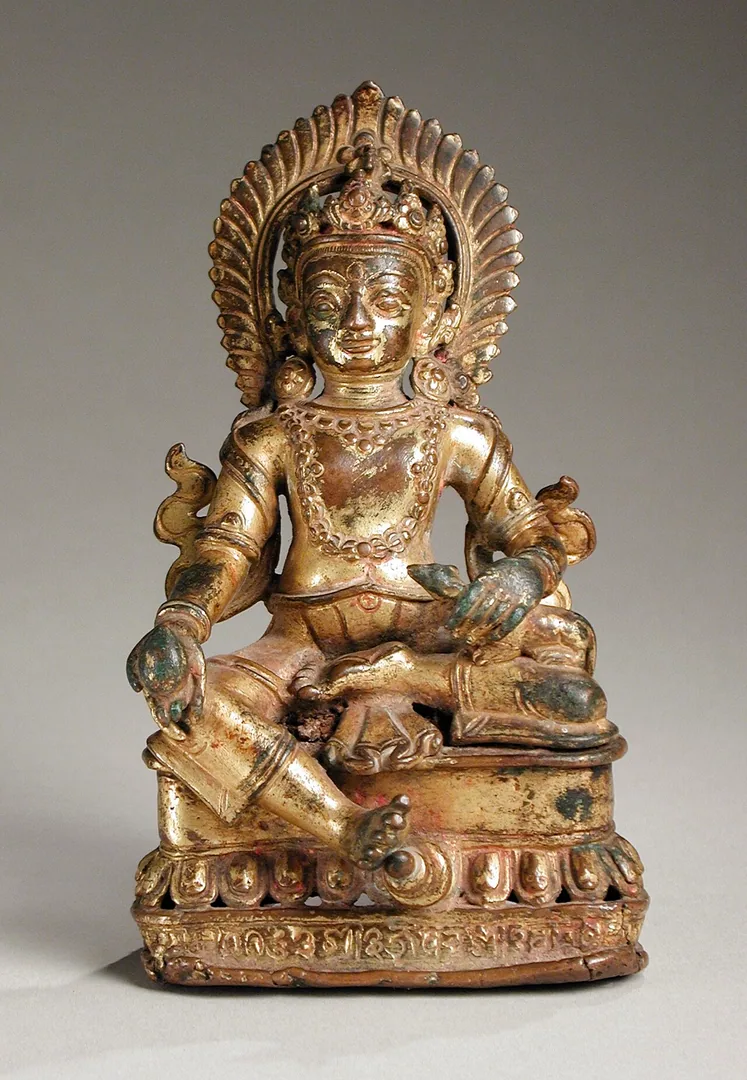
Yellow Jambhala (Dzambhala Serpo)
Seated in royal ease with a golden body, holding a citron fruit in his right hand and a jewel-disgorging mongoose under his left arm, Yellow Jambhala embodies Buddhist abundance: freeing practitioners from survival panic and miserliness so Dharma and generosity can flourish.
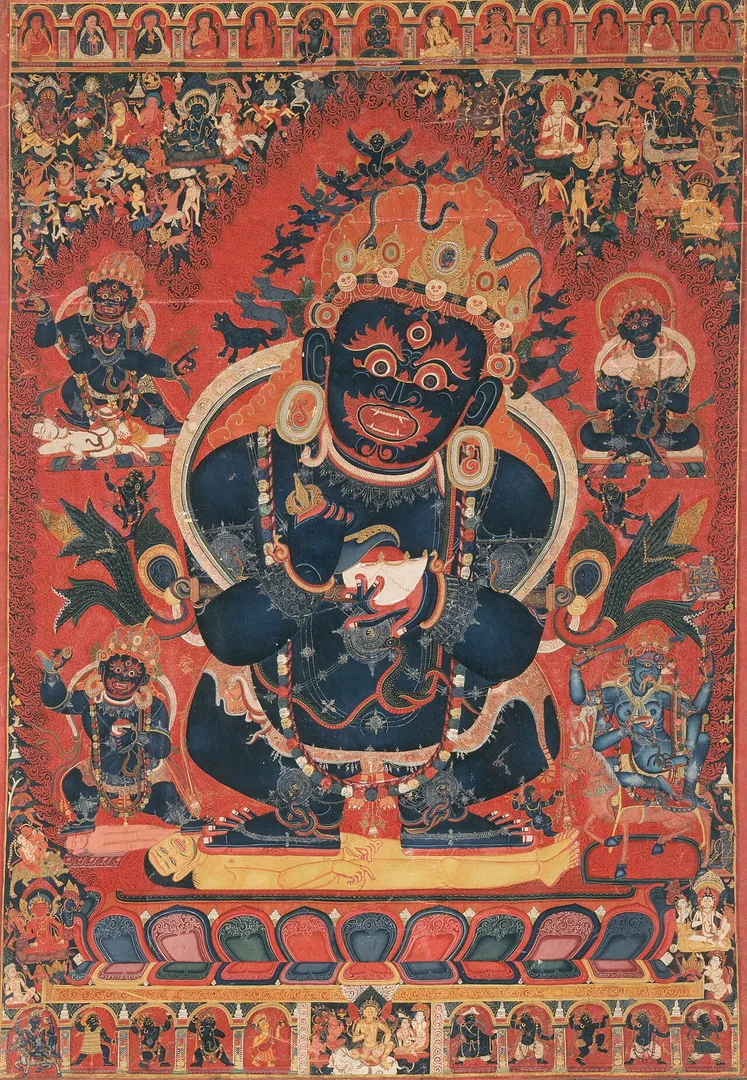
Mahākāla (Gönpo · Wisdom Dharma Protector)
Known simply in Tibetan as Gönpo (“The Protector”), Mahākāla (“Great Black One” / “Beyond Time”) manifests Avalokiteśvara’s compassion in fierce midnight-blue form—shattering self-deception and guarding ethical integrity across Kagyu, Sakya, and Gelug monasteries.
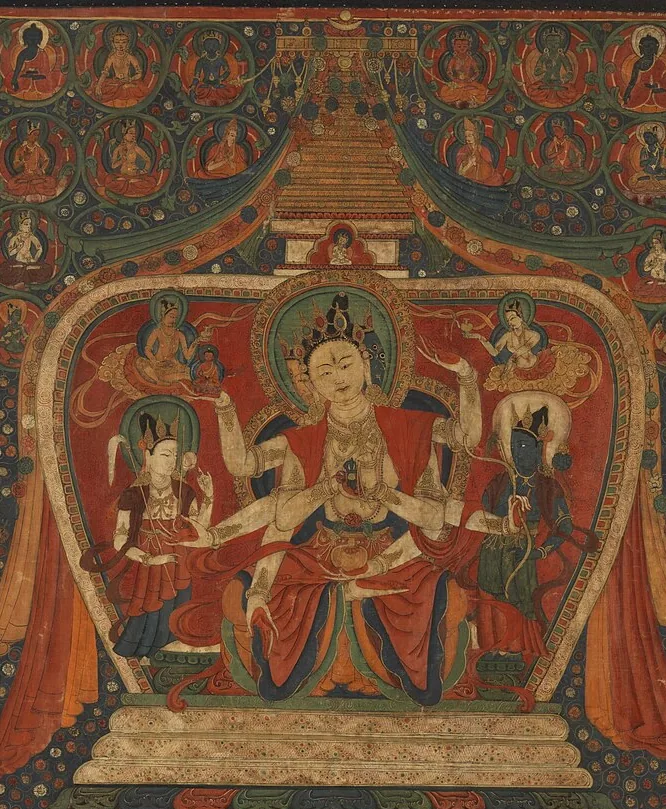
Uṣṇīṣavijayā (Namgyalma · Victorious Crown Wisdom)
Emanating as blinding white light from the crown protuberance (uṣṇīṣa) of Śākyamuni Buddha, three-faced eight-armed Namgyalma unites peaceful healing, protective strength, and karmic purification—completing Tibet’s revered Three Long-Life Deities.
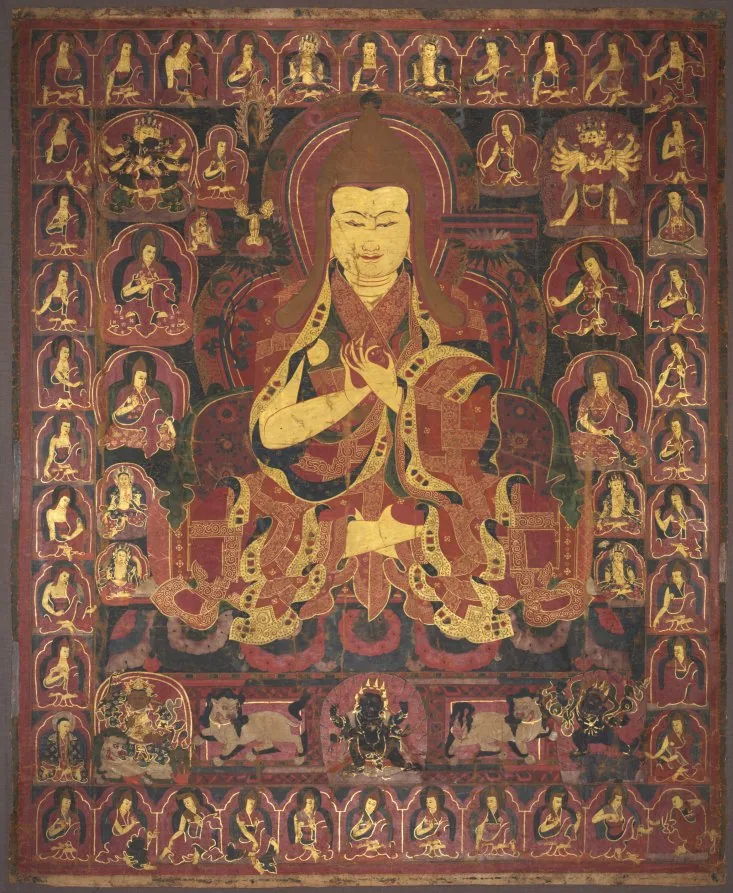
Je Tsongkhapa (Lobsang Drakpa · 1357–1419)
Born in Amdo Tsongkha (modern Qinghai Kumbum) in 1357, Je Rinpoche studied across Sakya, Kagyu, Jonang, and Kadampa masters before founding Ganden Monastery—uniting rigorous Nālandā logic, pure Vinaya discipline, and Tantric contemplation into one seamless graduated path (Lamrim).
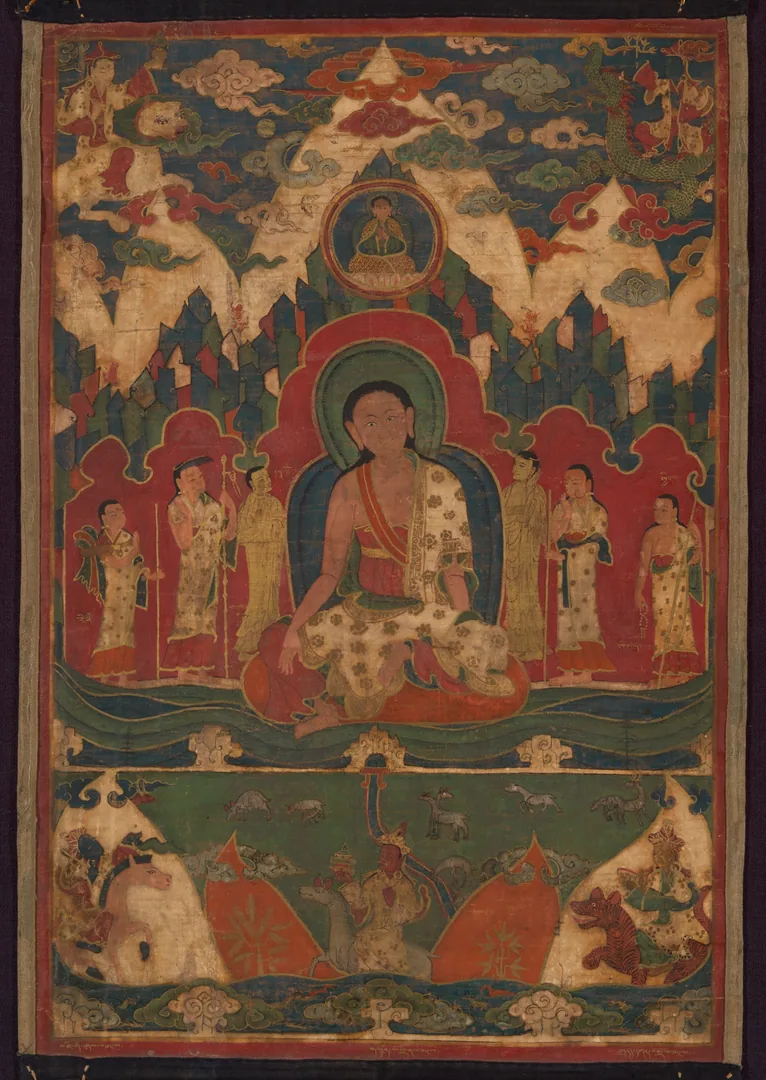
Jetsün Milarepa (1052–1135 · Tibet’s Cotton-Clad Poet-Yogi)
Seated in alpine cave solitude wearing a single white cotton cloth (repa), skin tinged pale green from years of wild nettle soup and right palm cupped at his ear singing spontaneous Vajra Songs (mgur), Milarepa proves no past mistake places awakening out of reach.
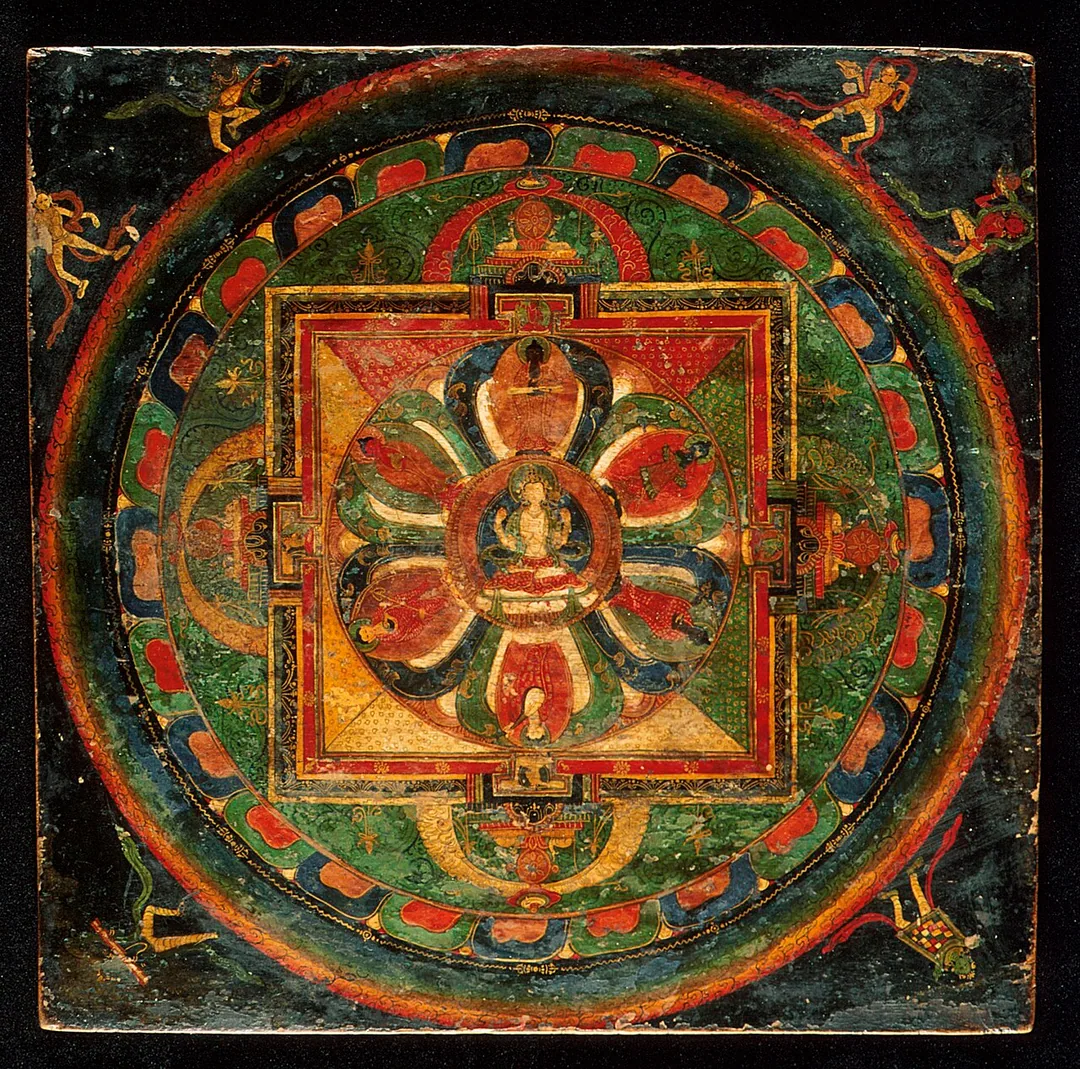
Oṃ Maṇi Padme Hūṃ (Six-Syllable Mantra)
Literally invoking the “Jewel in the Lotus,” these six syllables condense the entire Mahāyāna path: altruistic method (the wish-fulfilling jewel, maṇi) inseparable from wisdom realizing emptiness (the lotus, padma).
Oṃ Tāre Tuttāre Ture Svāhā (Green Tārā Mantra)
Known in Tibet as the Ten-Syllable Essence Mantra, its three variations on the Sanskrit verbal root tṛ (“to cross over”) trace a clear arc from relief in worldly crisis to freedom from inner anxiety.
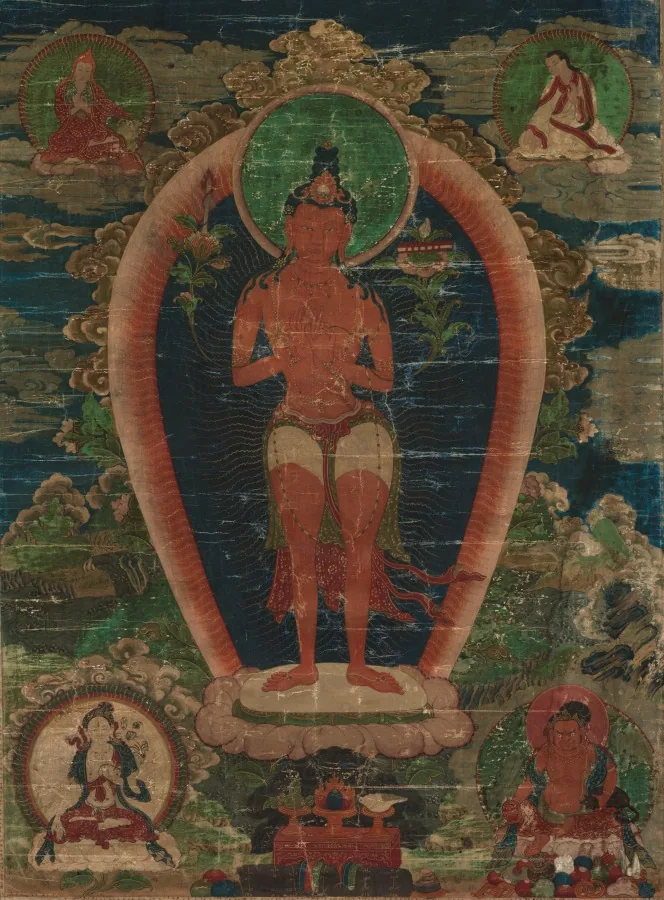
Oṃ A Ra Pa Ca Na Dhīḥ (Mañjuśrī Mantra)
Preserving the first five letters of the ancient Gāndhārī Kharoṣṭhī alphabet used in early Prajñāpāramitā manuscripts, this mantra trains the mind in lucid, unhurried discernment.
Medicine Buddha Dhāraṇī (Bekandze Mantra)
Pronounced “Bekandze” in Tibetan, the threefold repetition of Bhaiṣajye (“healing remedy”) mirrors Tibetan medicine’s holistic view that bodily recovery, emotional calm, and wisdom belong together.
Vajrasattva Mantra & the Hundred Syllables
Whether recited in its full 100-syllable Sanskrit invocation or its six-syllable essence Oṃ Vajrasattva Hūṃ, this mantra asks awakening awareness to remain steady beside us while we clean the slate.
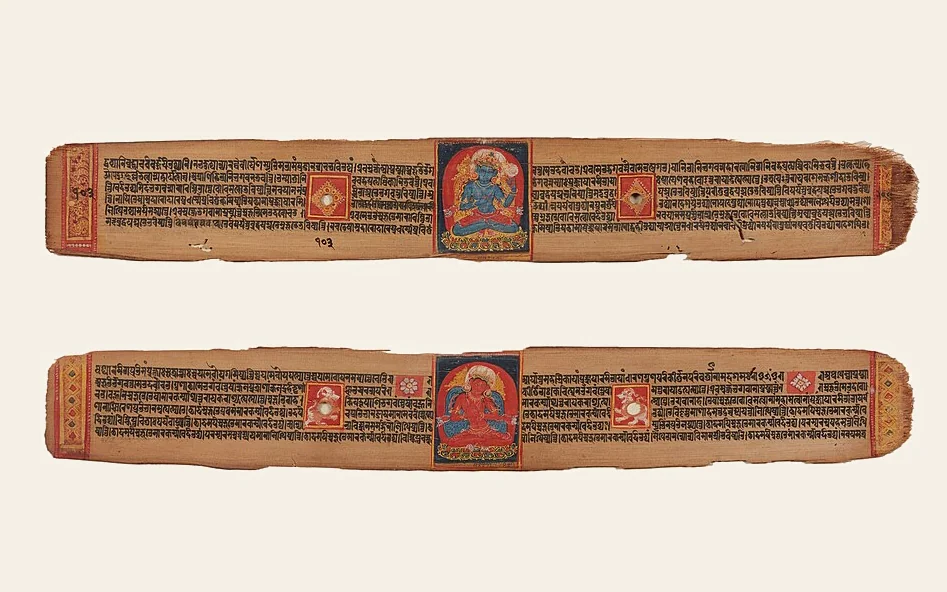
The Heart Sūtra (Sherab Nyingpo · 心经)
In 260 Chinese characters (and a slightly longer framed dialogue in the Tibetan Kangyur), Avalokiteśvara explains to Śāriputra why seeing emptiness—interdependent openness—dissolves fear.
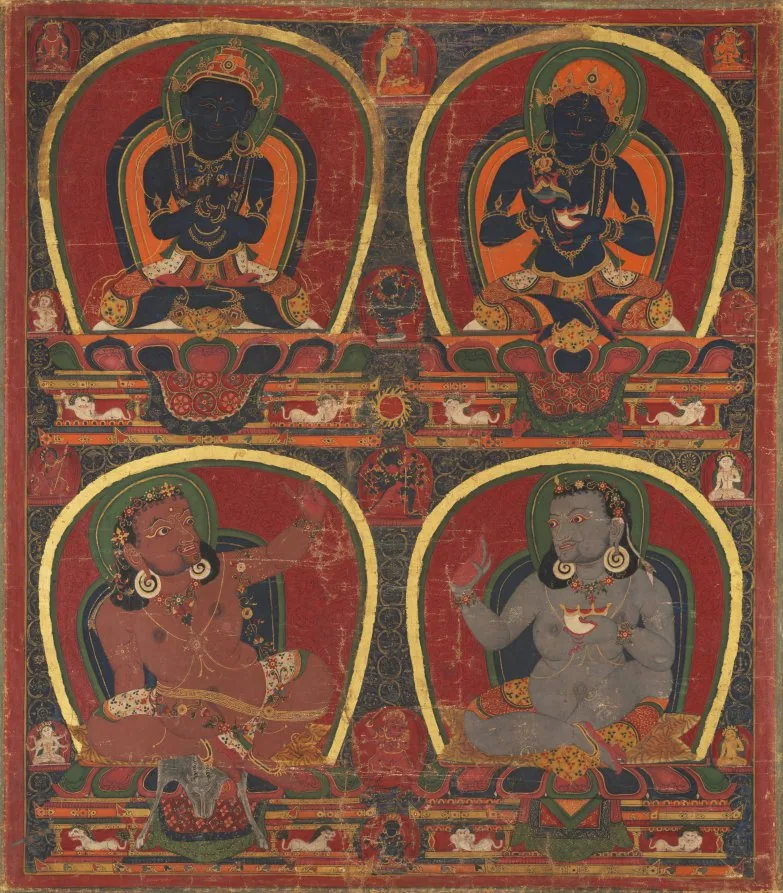
Oṃ Āḥ Hūṃ Vajra Guru Padma Siddhi Hūṃ (Vajra Guru Mantra)
Known across the Himalayas as the Vajra Guru Mantra, these twelve syllables align body, speech, and mind (Oṃ Āḥ Hūṃ) with indestructible wisdom (Vajra), noble guidance (Guru), and unstained compassion (Padma) to clear obstacles on the path.
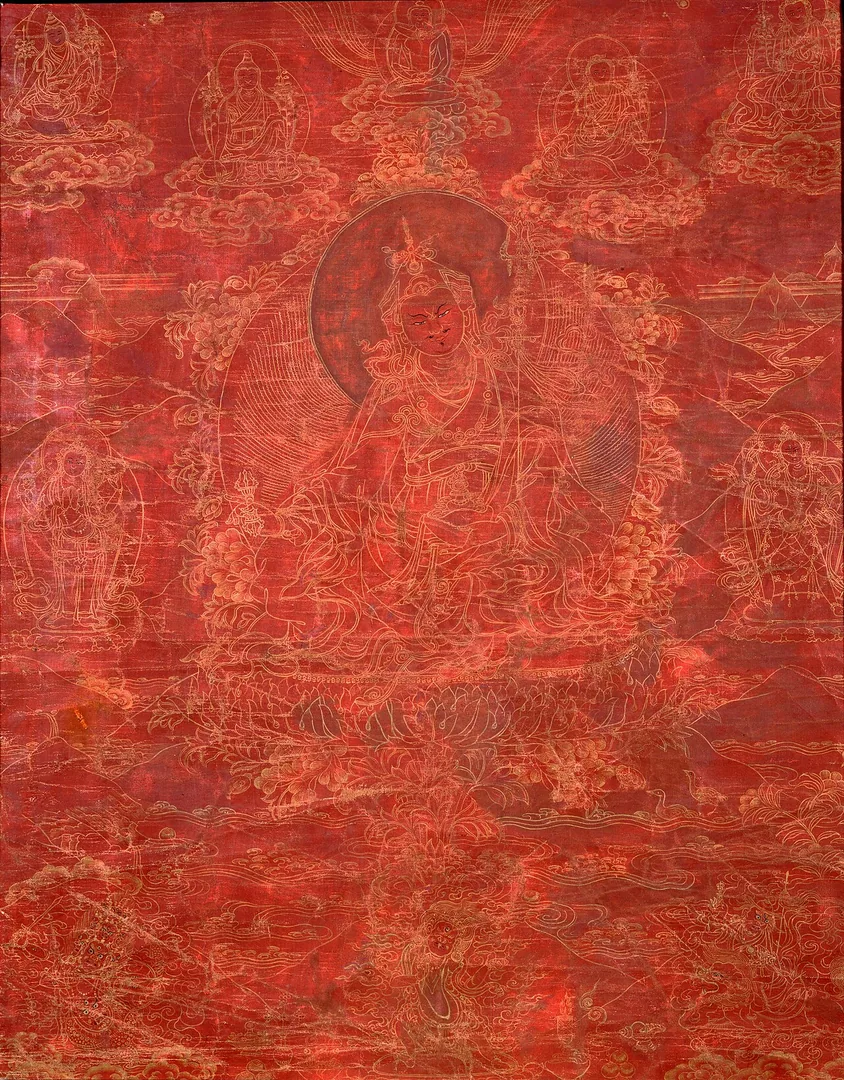
The Seven-Line Prayer to Guru Rinpoche (Tsik Dün Soldeb)
Revered across the Himalayas as the primordial invocation spoken by wisdom ḍākinīs at Nālandā, these seven metered Tibetan lines summon Padmasambhava outwardly as historical teacher and inwardly as the unborn clarity of one’s own mind (rigpa).
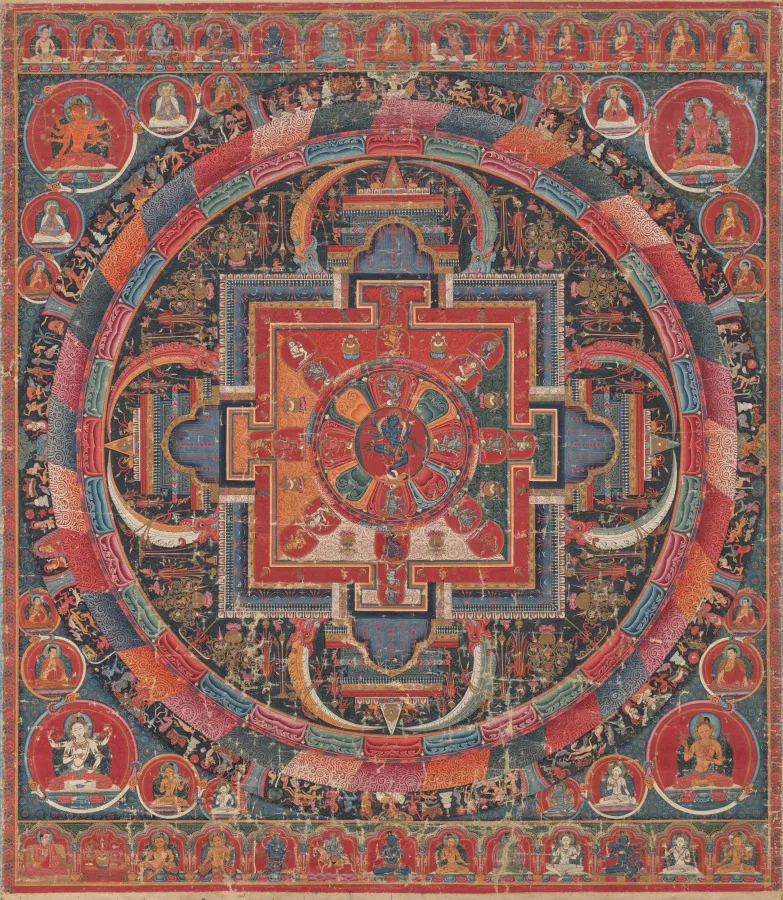
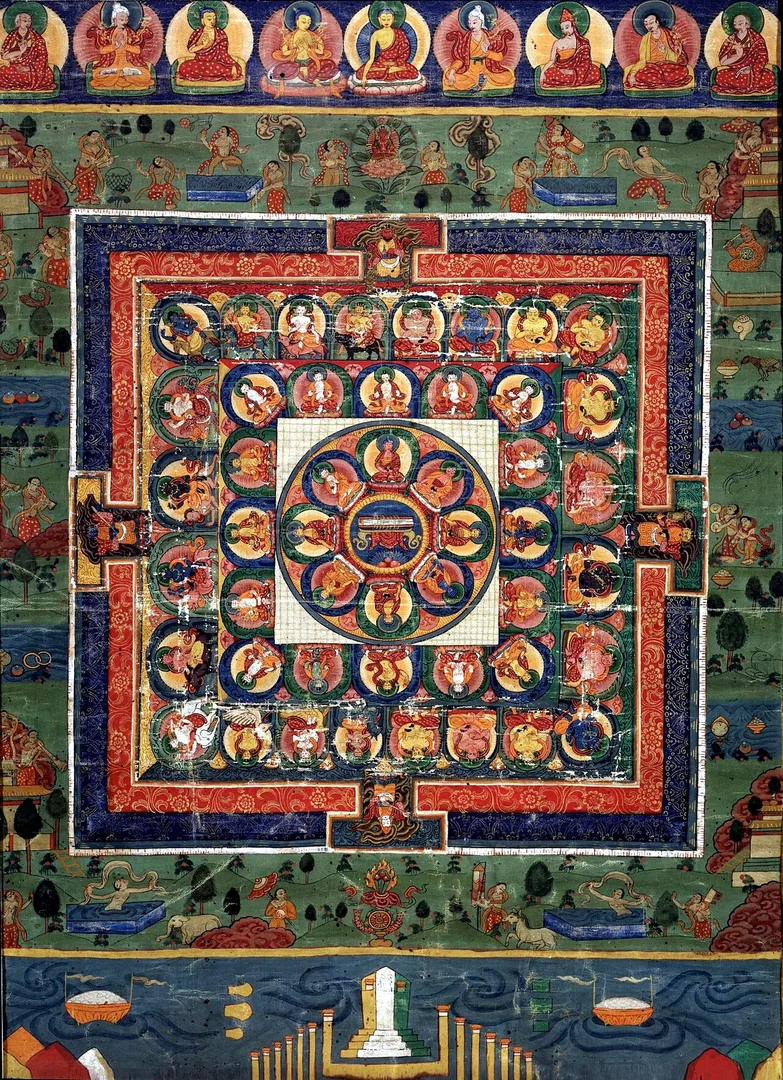
The Mandala (Kyilkhor · དཀྱིལ་འཁོར།)
Rendered in Tibetan as dkyil-’khor (“center and periphery”), a mandala is not decorative symmetry—it is a two-dimensional architectural floor plan of an awakened three-dimensional palace.
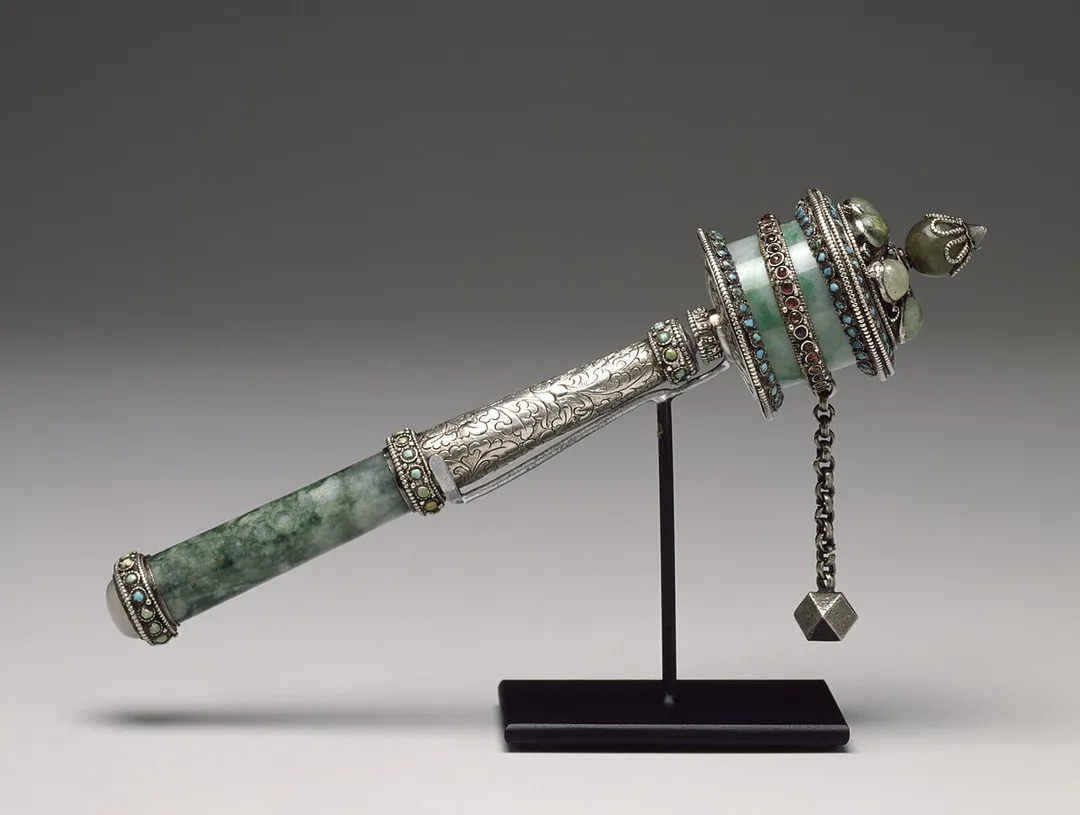
Tibetan Prayer Wheel (Mani Khorlo)
Far more than handheld brass cylinders, Tibetan prayer wheels harness mountain streams, high-pass wind, and rising butter-lamp heat so consecrated texts keep turning even while human bodies sleep.
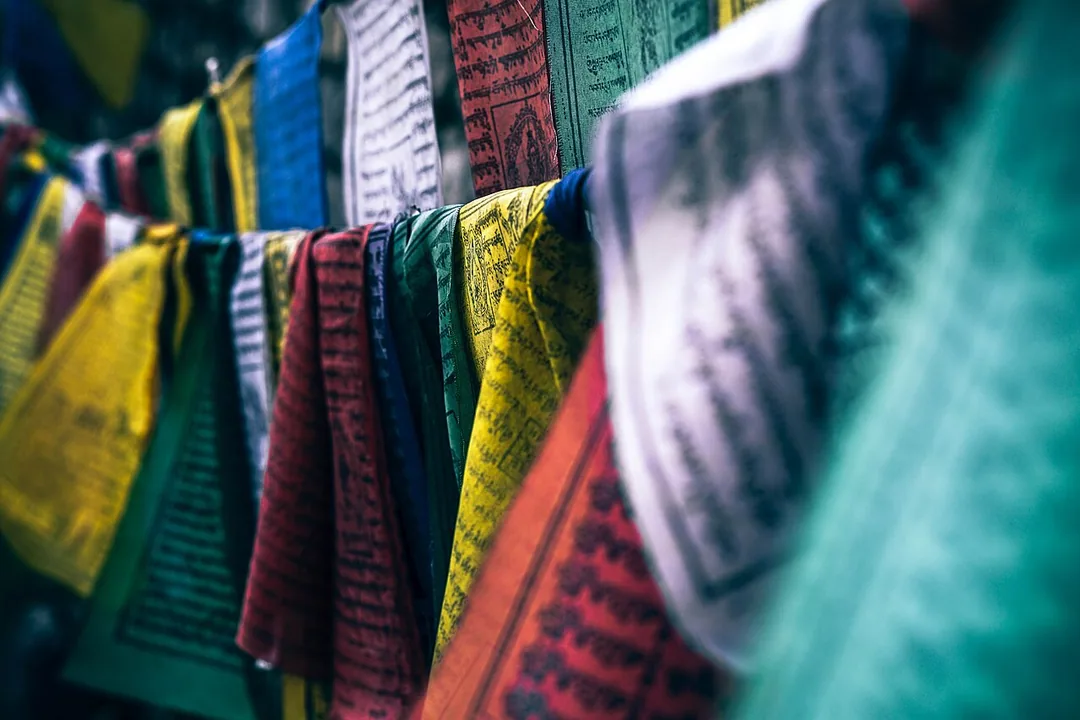
Five-Element Prayer Flags (Lungta · རླུང་རྟ།)
Literally “Wind Horse” (rlung-rta), five-colored cloth banners strung across Himalayan passes arrange the five natural elements in strict sequence so mountain wind carries auspiciousness across the valley.
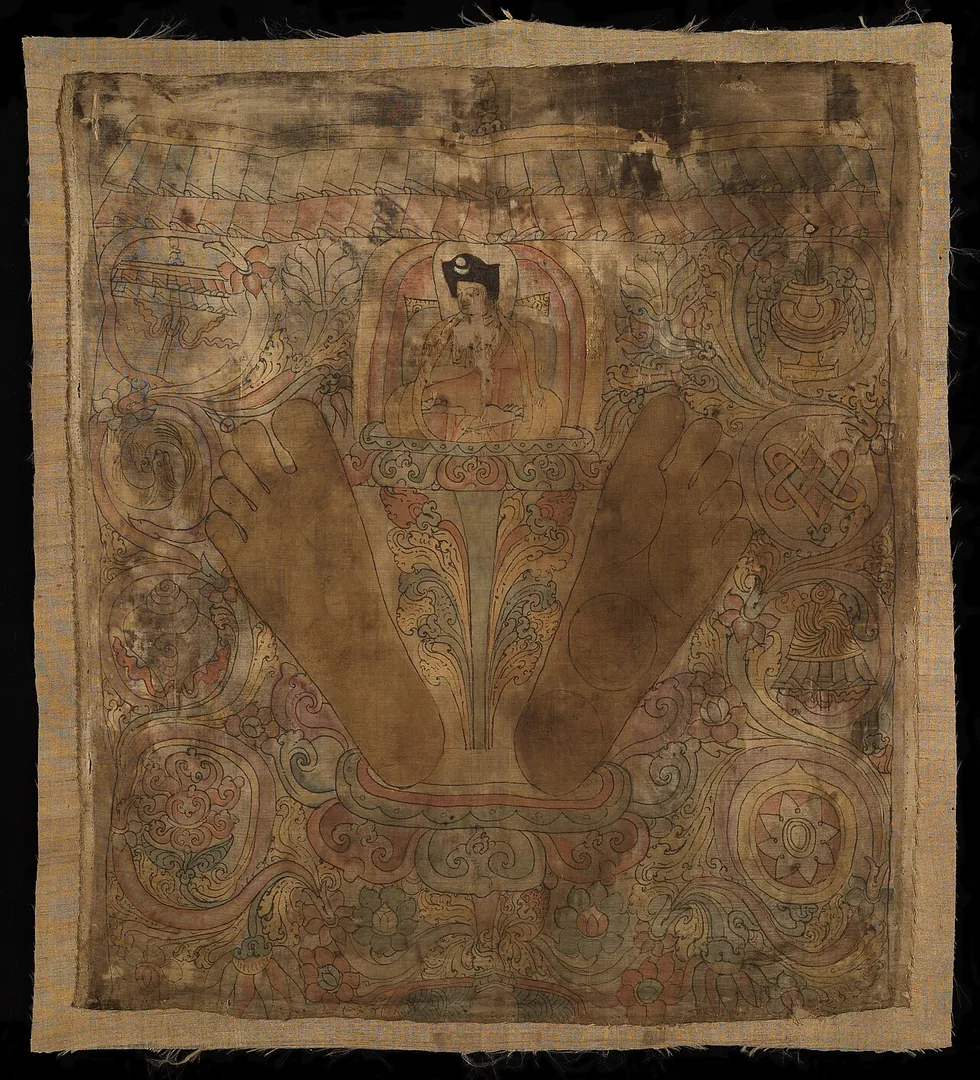
The Eight Auspicious Symbols (Ashtamangala)
Originally royal coronation offerings in ancient India and reinterpreted as attributes of the Buddha’s awakened body, speech, and mind, these eight emblems form the foundational grammar of Tibetan visual design.
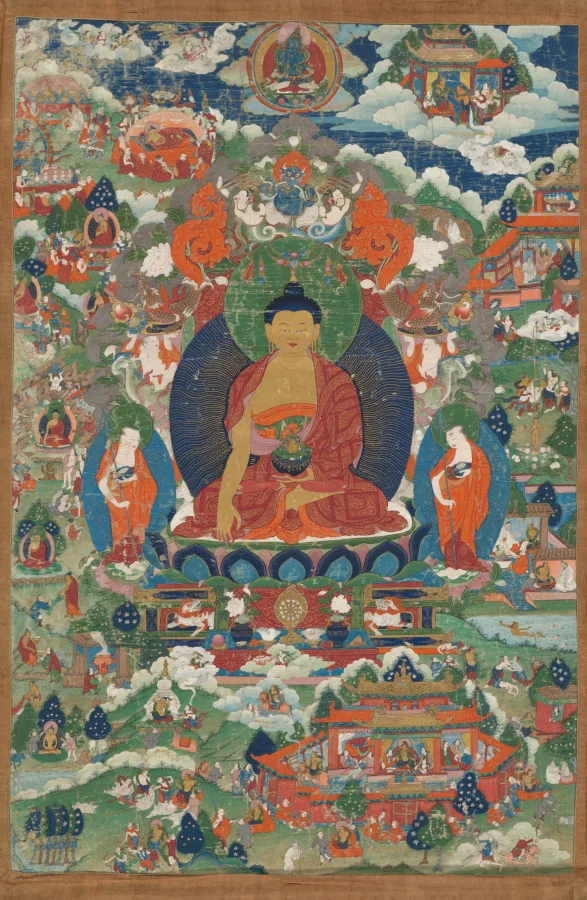
How to Read a Thangka Painting
Meaning “something unrolled” (thang-ka), a Tibetan scroll painting is structured along a strict vertical and proportional grid so portable monasteries on horseback could carry complete contemplative maps.
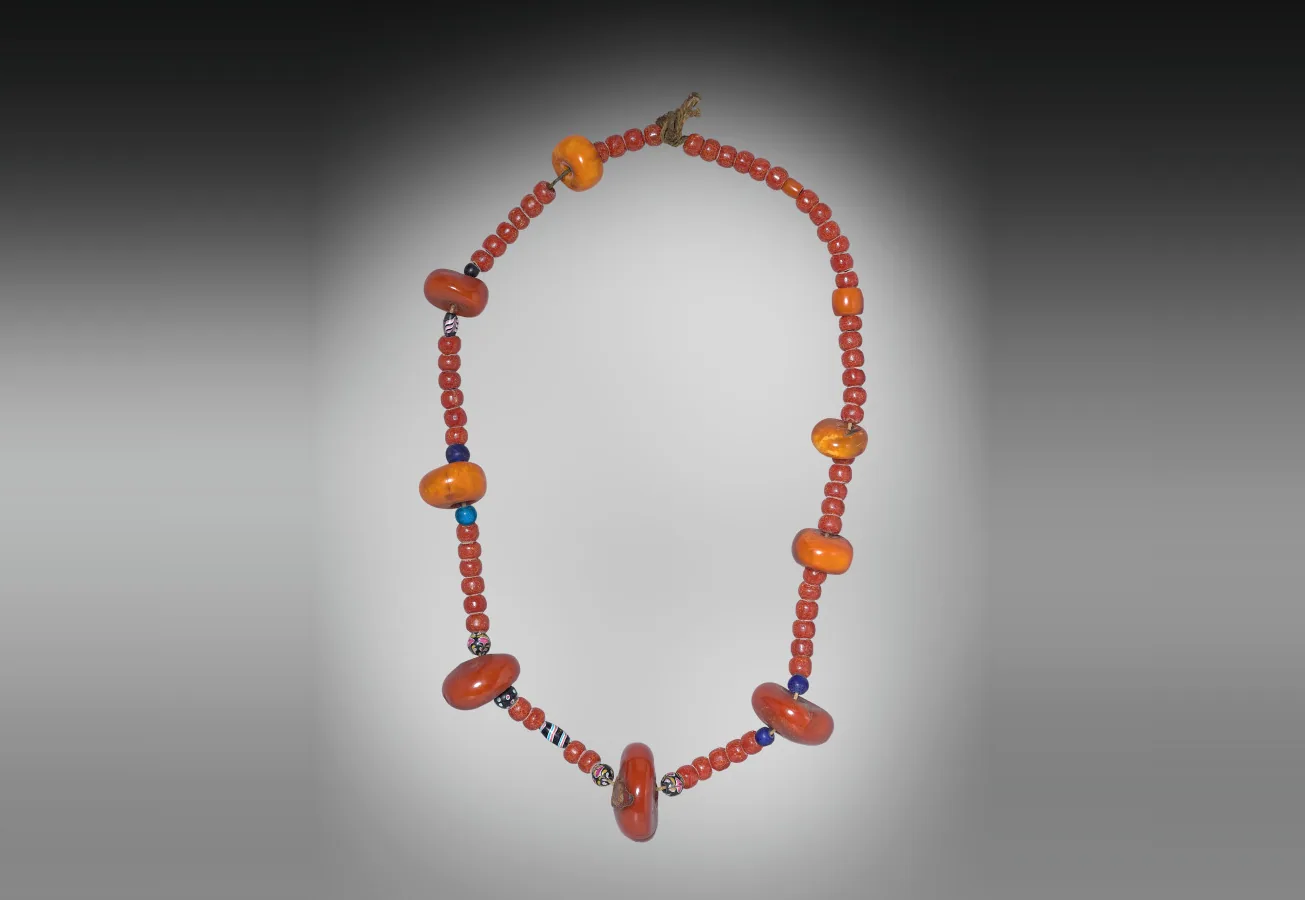
The 108-Bead Mala (Phreng-ba)
Called phreng-ba (“garland”) in Tibetan, a 108-bead mala serves as a tactile anchor for breath and mantra recitation—keeping body, speech, and wandering mind together.
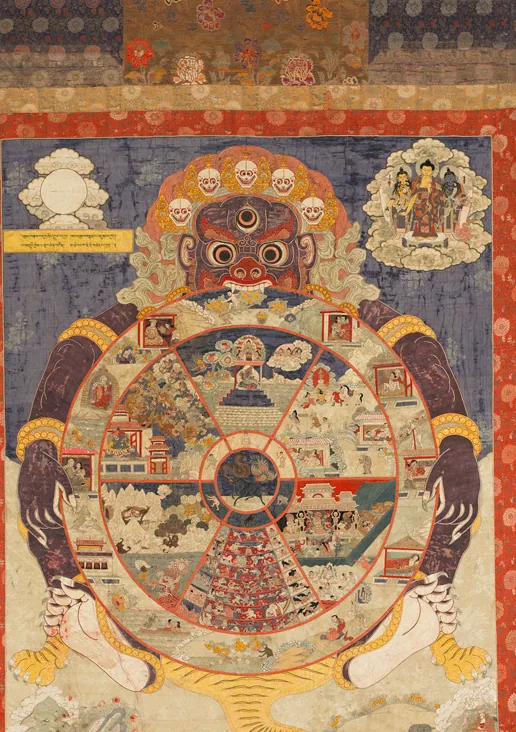
Bhavacakra: The Wheel of Life (Srid-pa’i ’khor-lo)
Painted on the outer vestibule wall of nearly every Tibetan monastery according to instructions in the Vinaya (Toh 3), the Wheel of Becoming maps how habitual reactivity spins into suffering—and precisely where awareness steps free.
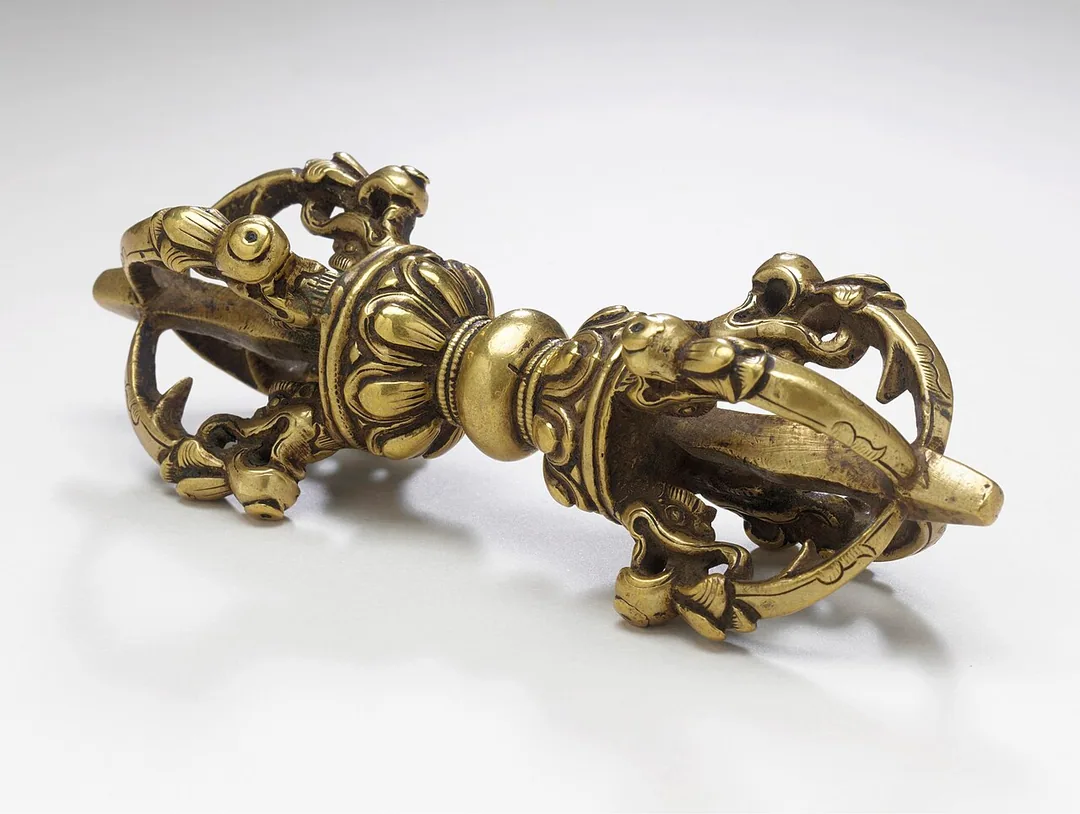
Vajra & Bell (Dorje & Drilbu · རྡོ་རྗེ་དང་དྲིལ་བུ།)
Never separated on a Tibetan altar, the brass five-pronged vajra held in the right hand embodies indestructible compassionate method (upāya), while the hollow bronze bell held in the left proclaims wisdom realizing emptiness (prajñā).
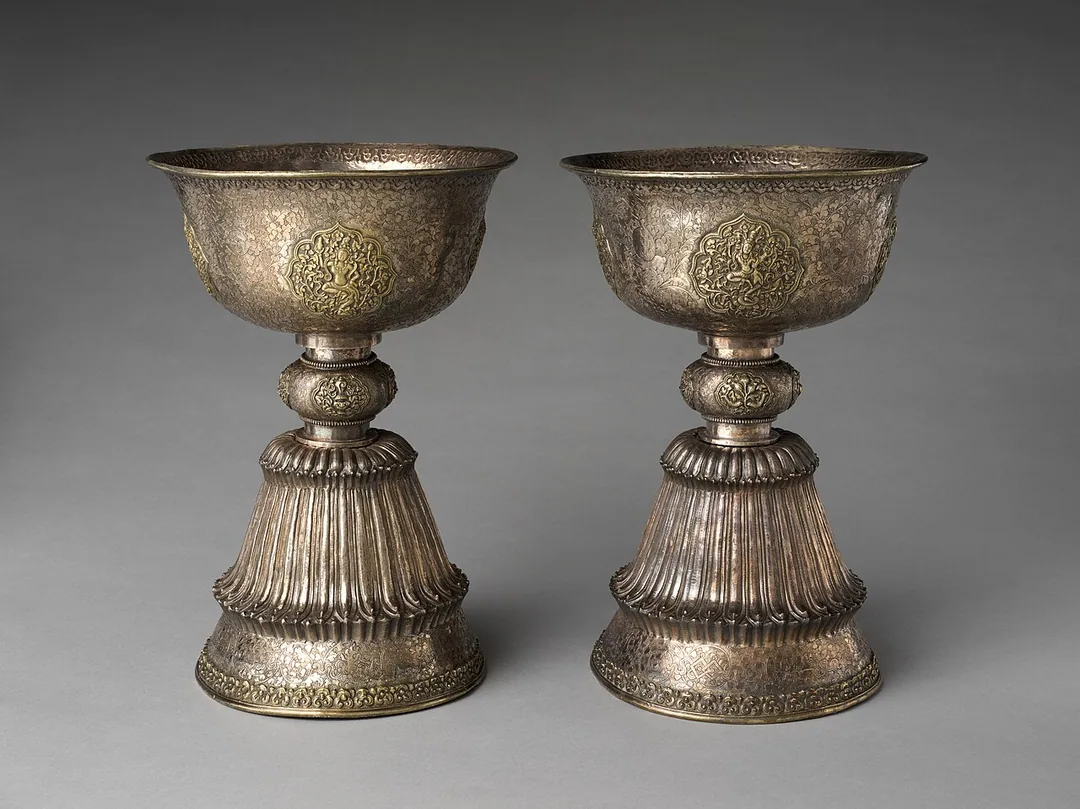
Butter Lamps & Seven Water Bowls (Chöme & Yönchab)
Across every Tibetan household shrine, a straight row of seven brass bowls filled with fresh morning water (yönchab) sits beside warm golden butter lamps (chöme)—chosen precisely because water is free of stinginess and flame dispels darkness without discrimination.
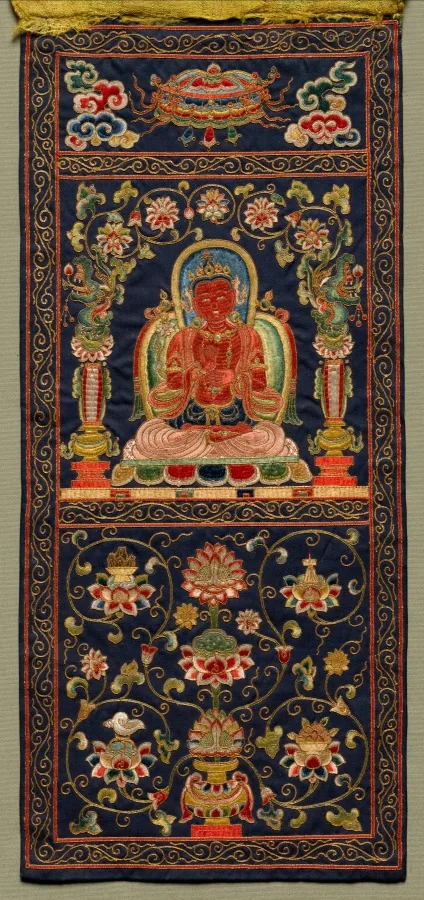
The Khatag Ceremonial Scarf (ཁ་བཏགས།)
Offered at greetings, farewells, empowerments, weddings, and mountain passes, the Tibetan khatag (“face-cloth” of unstained silk) expresses sincere goodwill free of hidden agenda—with subtle folding and offering gestures that speak volumes.
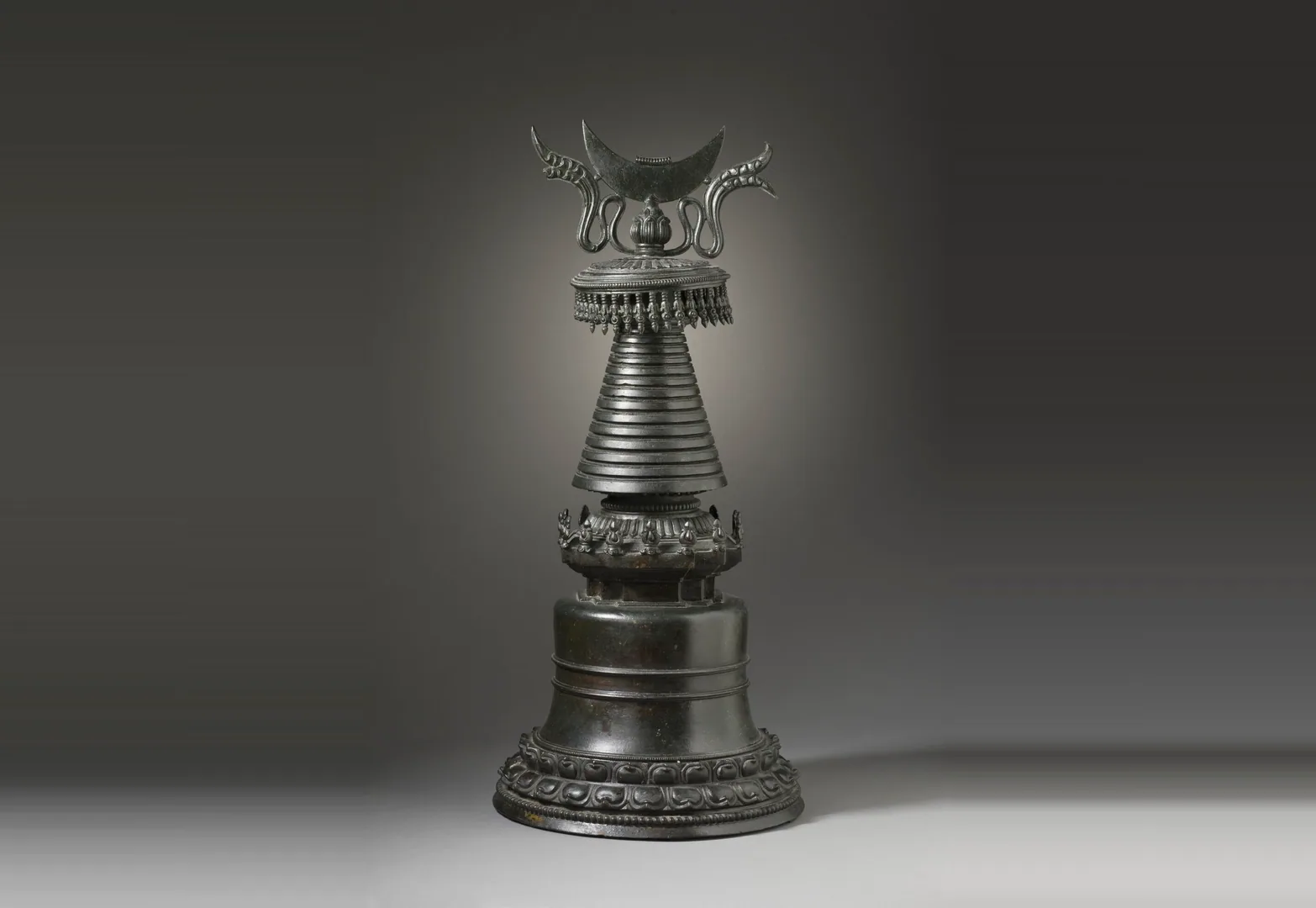
The Tibetan Stupa (Chörten · མཆོད་རྟེན།) & Eight Great Forms
Translated into Tibetan as mchod-rten (“receptacle of offerings”), every Himalayan whitewashed stupa stacks square earth, rounded water, conical fire, crescent air, and dissolving space into a three-dimensional statue of the Buddha’s Dharmakāya mind.
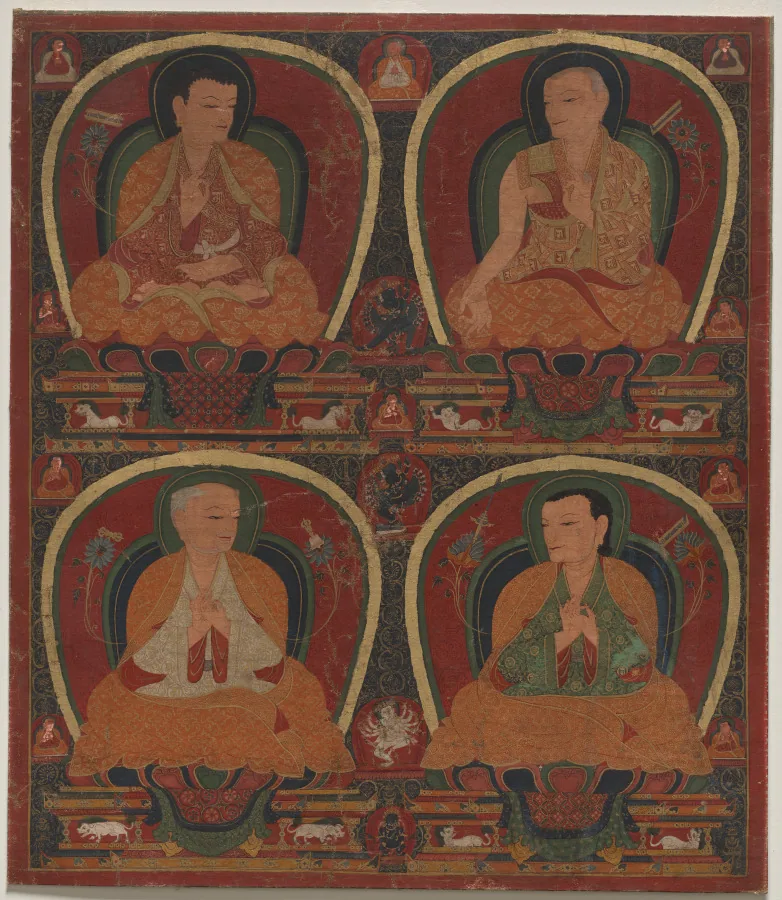
The Four Tibetan Schools & Bön Explained Clearly
Sharing the exact same Kangyur and Tengyur Buddhist canon, Tibet’s four major Buddhist schools differ not in core creed, but in historical translation era, pedagogical sequence, and meditative emphasis.
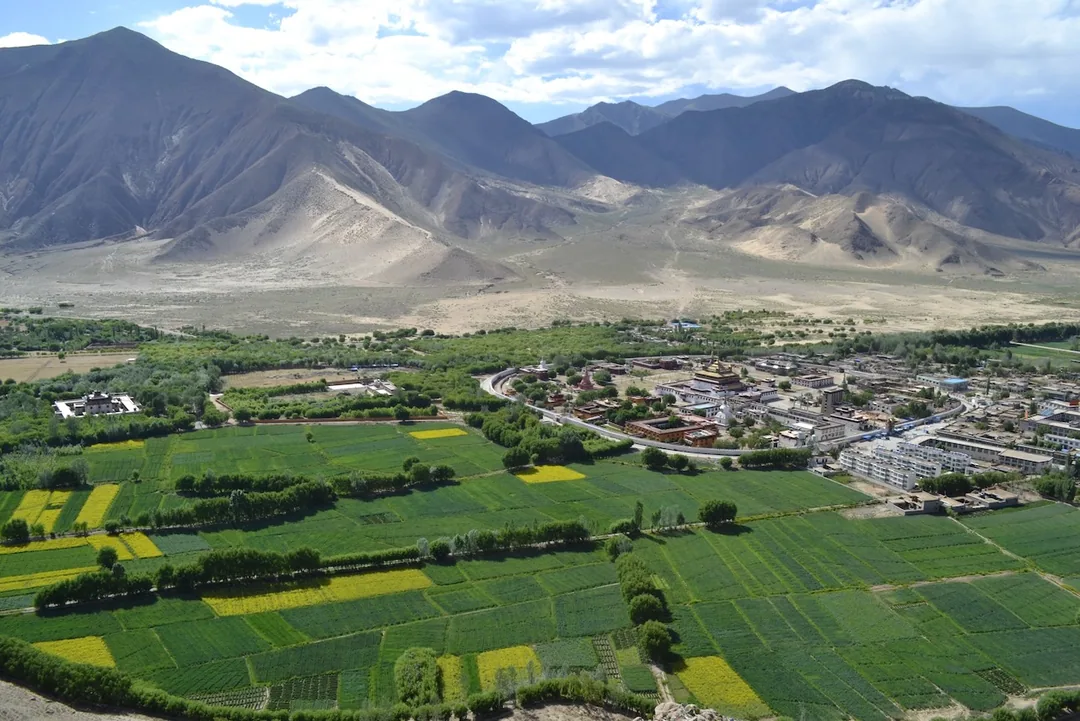
Jokhang Temple & Samye Monastery
Built in the 7th and 8th centuries respectively, Lhasa’s Jokhang anchors Tibetan devotional pilgrimage around the Jowo Śākyamuni, while Samye in Lhoka realizes an entire three-dimensional mandala in stone, timber, and earth.
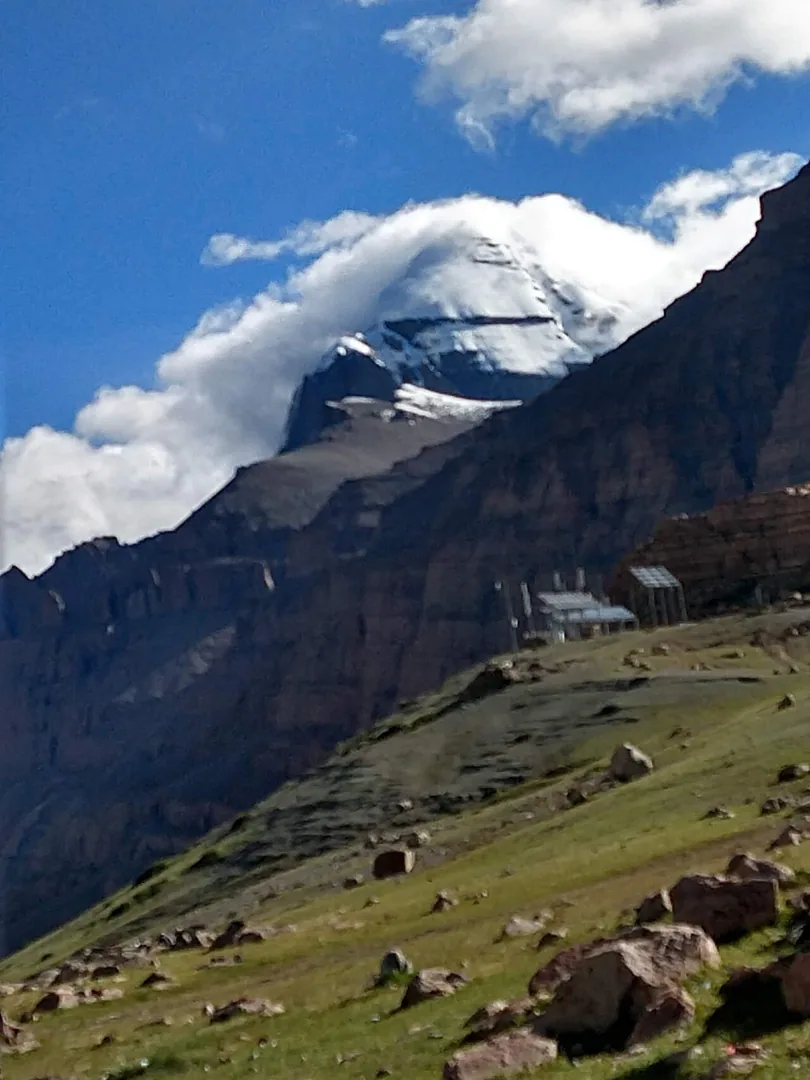
Mount Kailash (Gang Rinpoche) & Kora
Known in Tibetan as Gang Rinpoche (“Precious Jewel of Snows”), this four-sided peak in western Ngari feeds four of Asia’s greatest rivers and remains intentionally unclimbed out of shared reverence across Tibetan Buddhism, Bön, Hinduism, and Jainism.
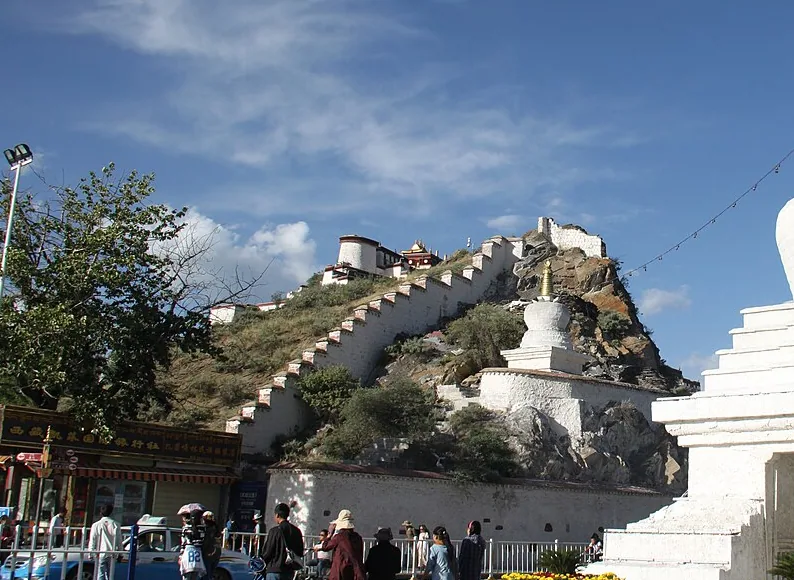
The Potala Palace (Pho-brang Po-ta-la · Lhasa)
Rising 117 meters atop Marpori (“Red Hill”) above the Lhasa valley, the Potala takes its name from Mount Potalaka—Avalokiteśvara’s pure abode in the Avataṃsaka Sūtra—fusing 7th-century meditation caves with the 17th-century White and Red Palaces.
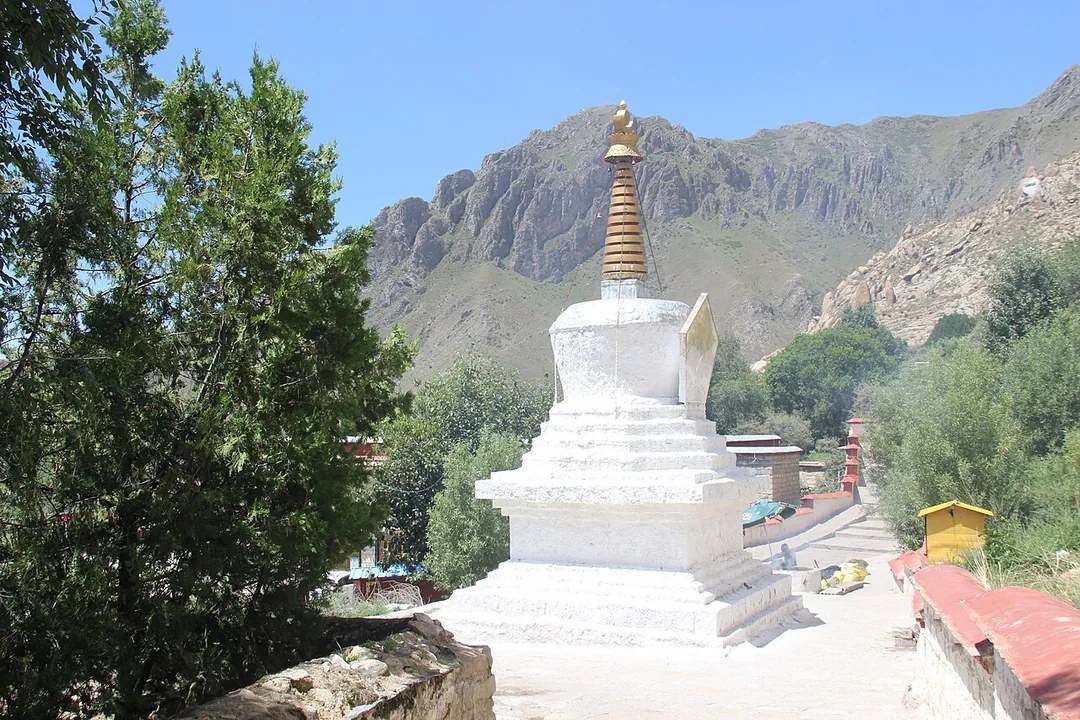
Tibetan Monastic Debate & the Three Great Seats (Sera, Drepung, Ganden)
Every afternoon under the trees of Sera, Drepung, and Ganden monasteries, hundreds of monks pair off—one standing to test definitions with sharp claps, one seated calmly defending consistency—preserving classical Indian Nālandā logic (pramāṇa) as a living anti-dogma discipline.
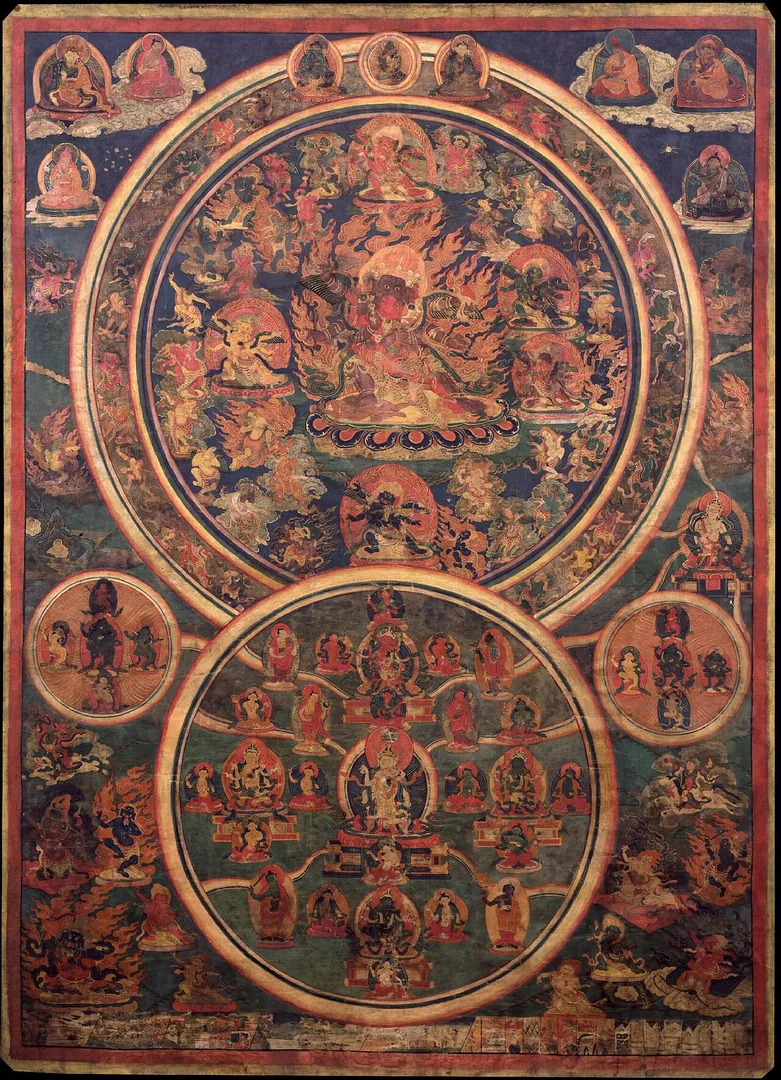
Bardo: The Six In-Between States
Literally “interval between two things” (bar-do), the famous Tibetan Book of the Dead (Bardo Thödol) maps not only death and rebirth, but six everyday transitional spaces—starting with this waking moment.
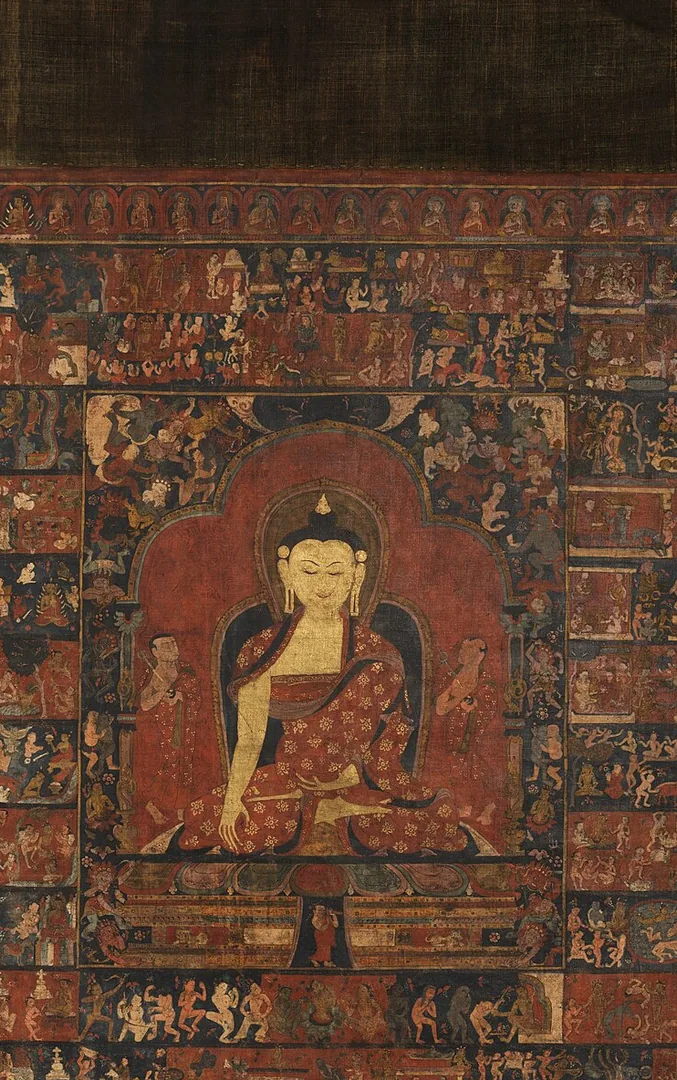
Karma & Interdependence: Why It Is Never Fatalism
In Sanskrit and Tibetan (las), karma literally means “action,” never “predestined fate.” While past choices shape today’s conditions, how one responds right now writes the next cause.
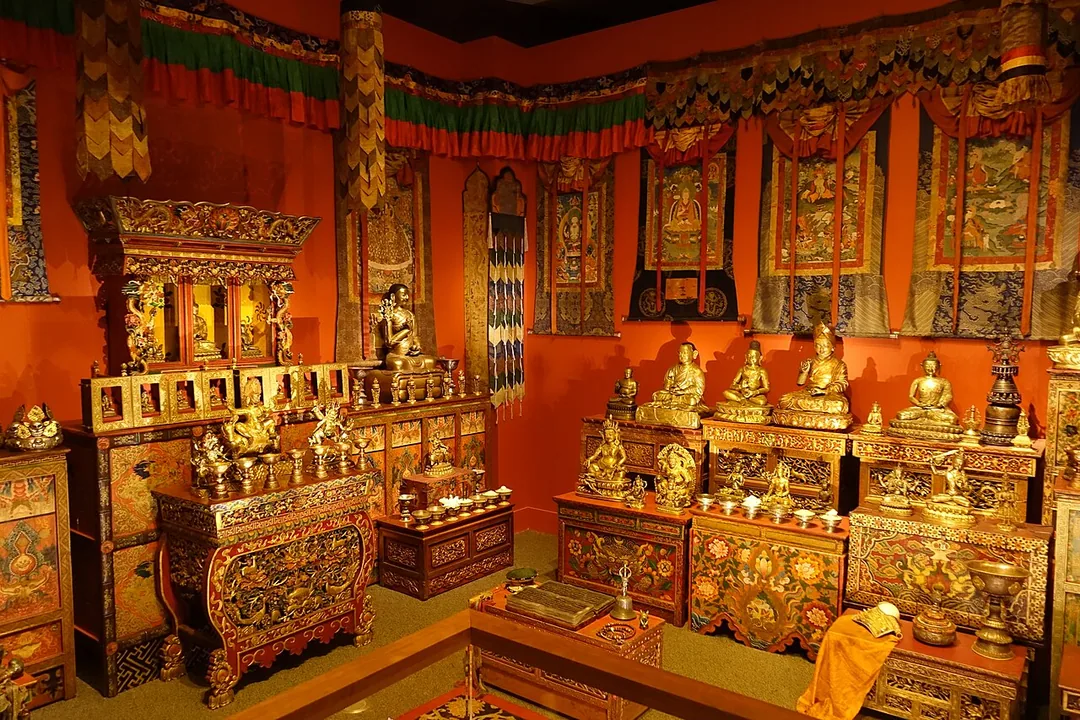
Dedication of Merit (Bsngo-ba · 回向)
No Tibetan contemplation, sutra reading, or prayer-wheel turn ends abruptly; it concludes with bsngo-ba (“turning toward”)—deliberately widening a private wish so everyone walking the same hard road is included.
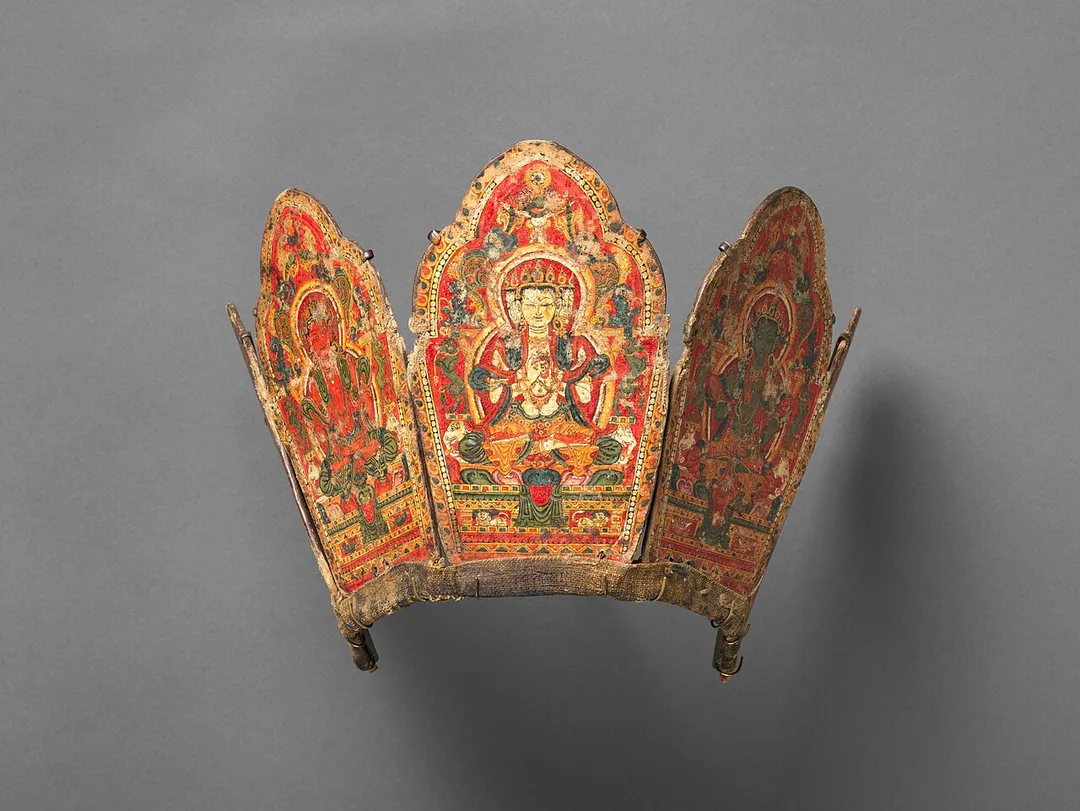
The Five Buddha Families & Five Wisdoms (Rigs-lnga)
Known in Tibetan as Gyalwa Rig-nga, the Five Buddha Families organize every mandala color, direction, element, and deity around one radical psychological premise: the raw energy inside our five most painful emotions is the exact same energy as the Five Awakened Wisdoms.
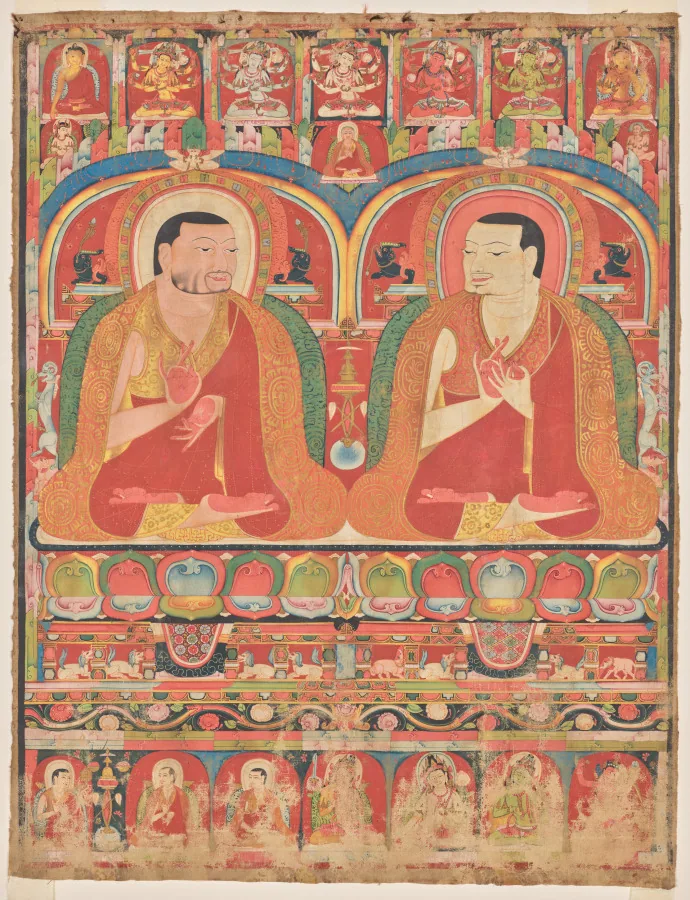
Dzogchen & Mahāmudrā: Resting in the Nature of Mind
Celebrated across Himalayan contemplative life as two rivers reaching the exact same ocean, Nyingma/Bön Dzogchen (“Great Perfection”) and Kagyu/Gelug Mahāmudrā (“Great Seal”) point directly to the luminous, unfabricated awareness already present beneath fleeting thoughts.
Bodhicitta, Lojong & Tonglen (Mind Training in Seven Points)
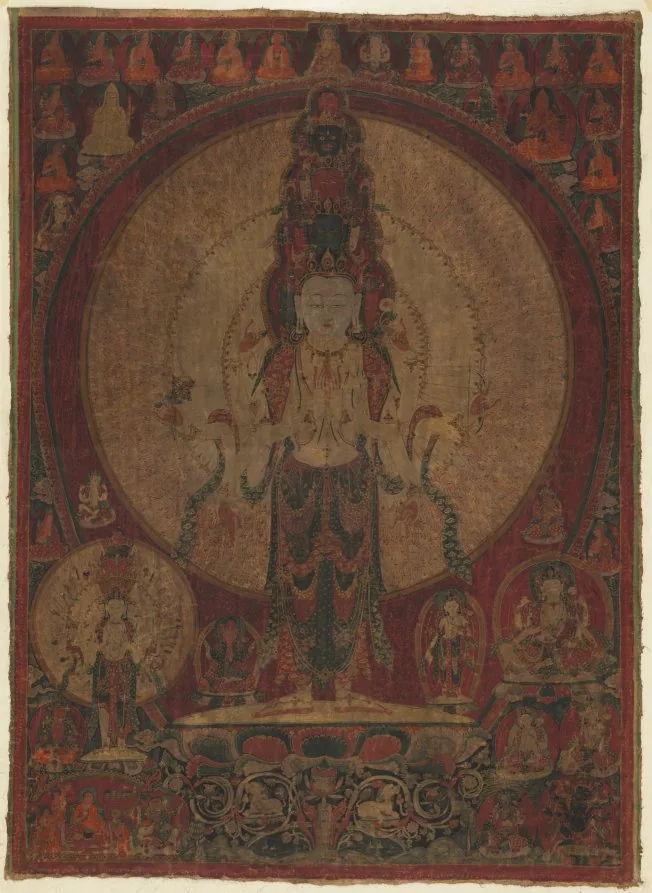
Defined as the awakened heart uniting boundless compassion for all beings with wisdom aiming at complete enlightenment, bodhicitta is trained in everyday friction through Lojong slogans and the breath-based meditation of Tonglen (“giving and taking”).
Śūnyatā (Emptiness) & the Two Truths (Madhyamaka)
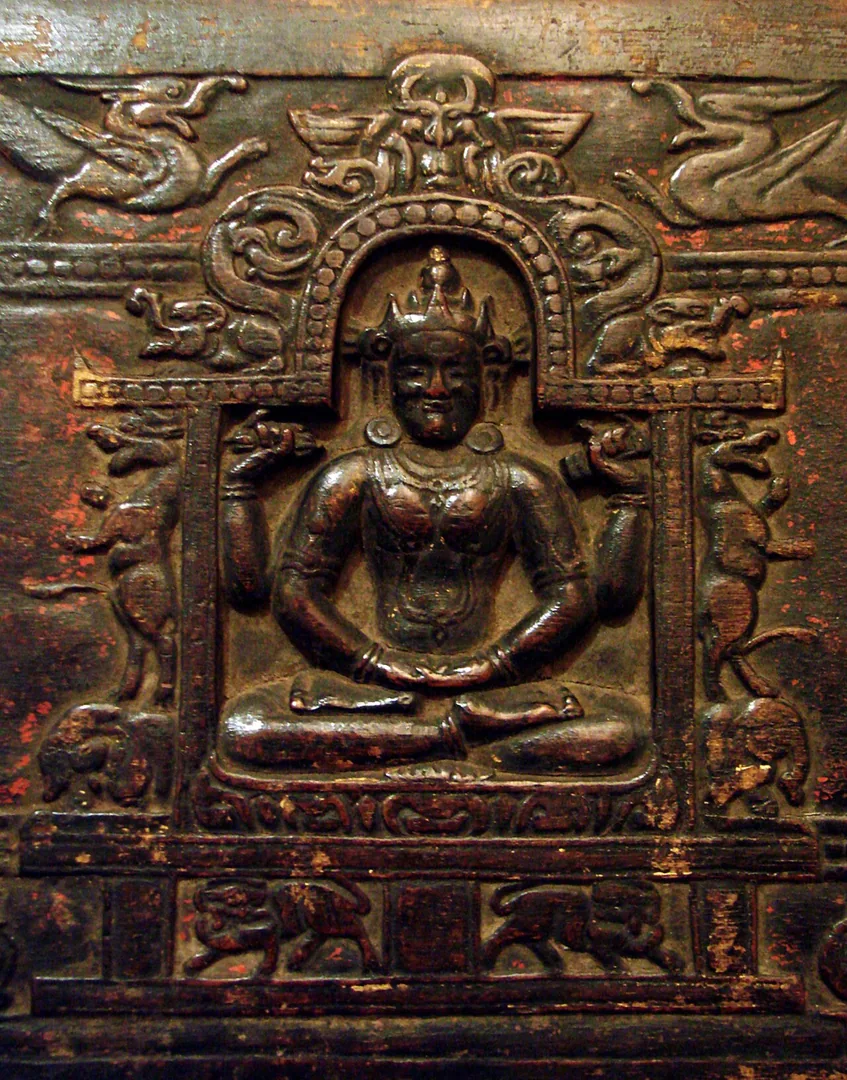
In Nāgārjuna’s Middle Way philosophy, “emptiness” (stong-pa-nyid) never means nothing exists; it means nothing exists in frozen isolation—and precisely because things lack rigid self-nature, seeds sprout, suffering changes, and awakening works.