Hall V · ལྟ་གྲུབ། (lta grub)
Concepts & Contemplation
Foundational ideas stripped of superstition and fatalism—approached through classical textual sources, psychology, and everyday human life.
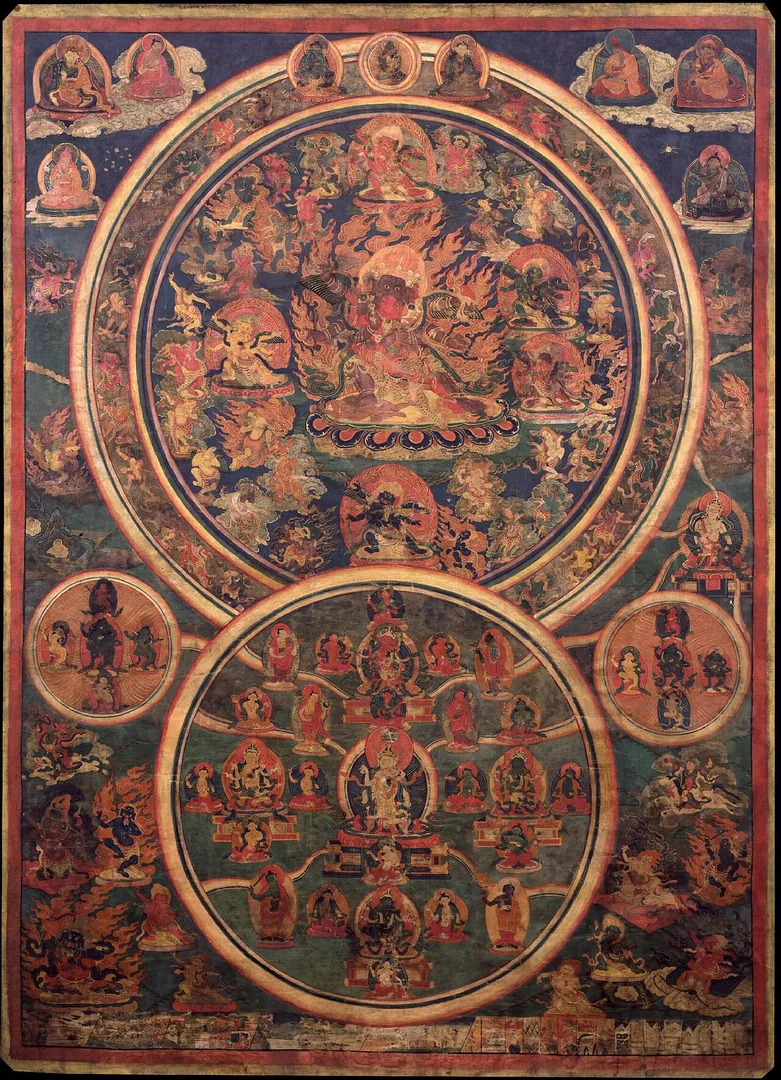
Bardo: The Six In-Between States
Literally “interval between two things” (bar-do), the famous Tibetan Book of the Dead (Bardo Thödol) maps not only death and rebirth, but six everyday transitional spaces—starting with this waking moment.
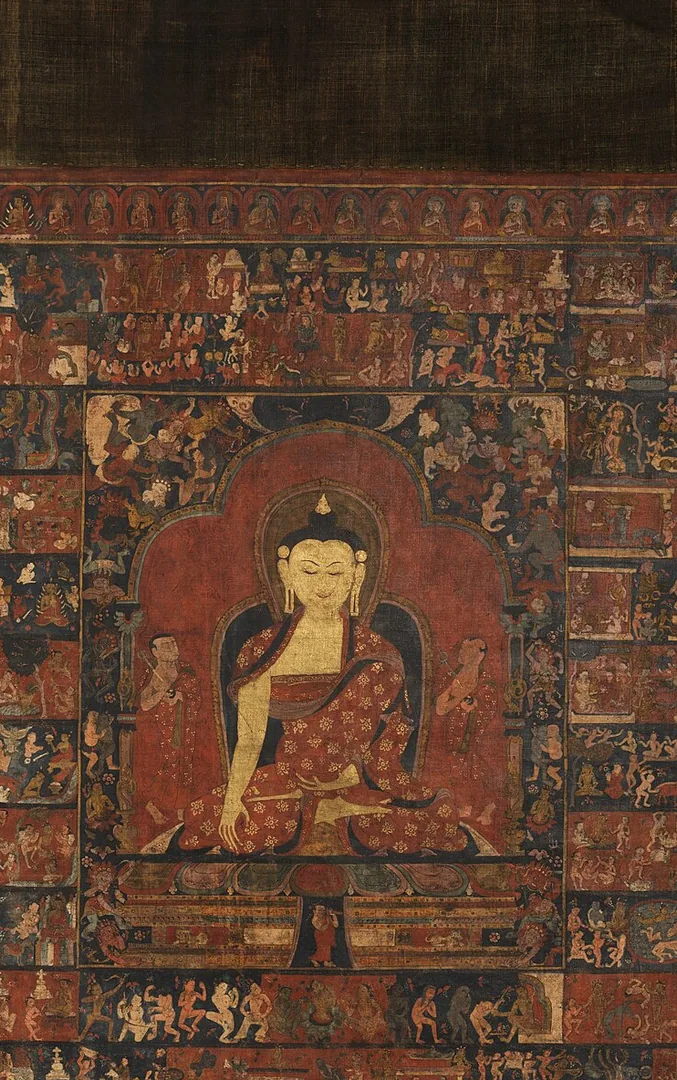
Karma & Interdependence: Why It Is Never Fatalism
In Sanskrit and Tibetan (las), karma literally means “action,” never “predestined fate.” While past choices shape today’s conditions, how one responds right now writes the next cause.

Dedication of Merit (Bsngo-ba · 回向)
No Tibetan contemplation, sutra reading, or prayer-wheel turn ends abruptly; it concludes with bsngo-ba (“turning toward”)—deliberately widening a private wish so everyone walking the same hard road is included.
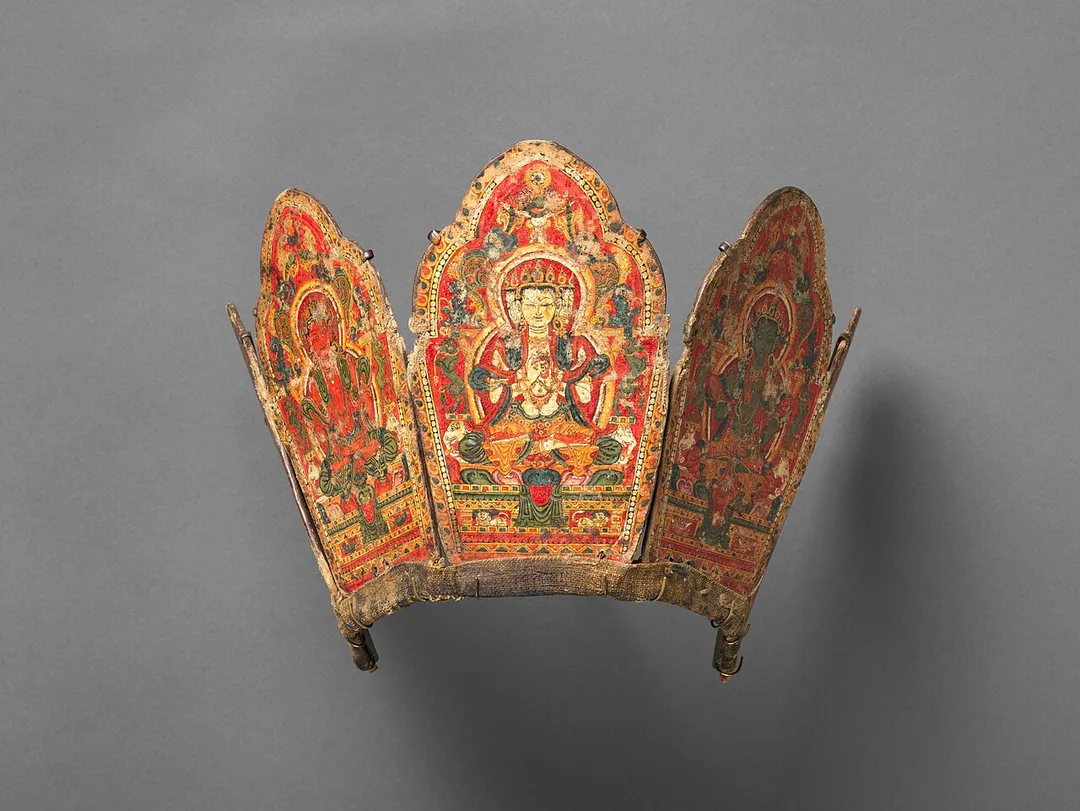
The Five Buddha Families & Five Wisdoms (Rigs-lnga)
Known in Tibetan as Gyalwa Rig-nga, the Five Buddha Families organize every mandala color, direction, element, and deity around one radical psychological premise: the raw energy inside our five most painful emotions is the exact same energy as the Five Awakened Wisdoms.
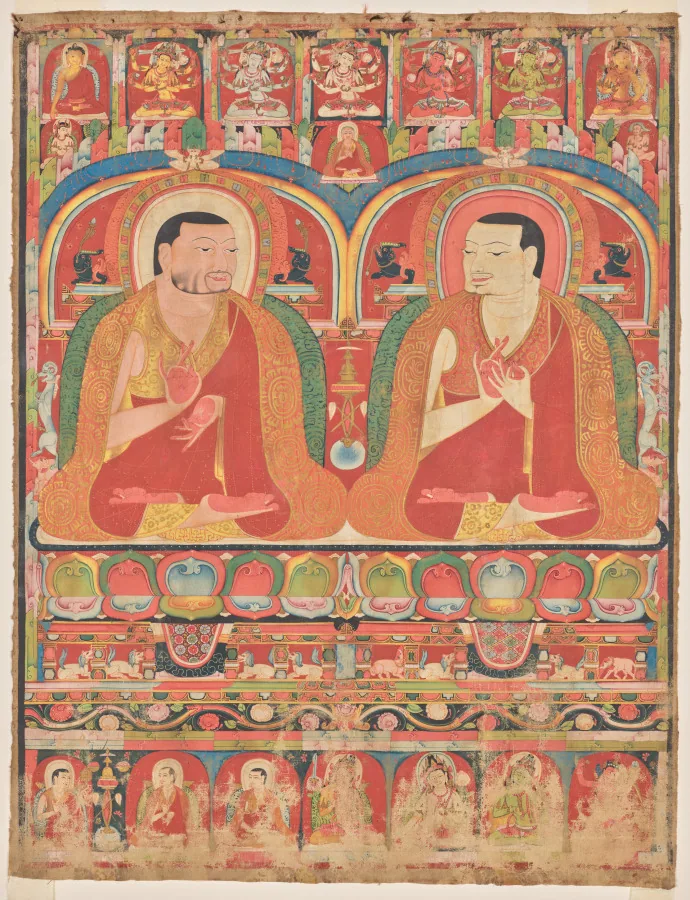
Dzogchen & Mahāmudrā: Resting in the Nature of Mind
Celebrated across Himalayan contemplative life as two rivers reaching the exact same ocean, Nyingma/Bön Dzogchen (“Great Perfection”) and Kagyu/Gelug Mahāmudrā (“Great Seal”) point directly to the luminous, unfabricated awareness already present beneath fleeting thoughts.
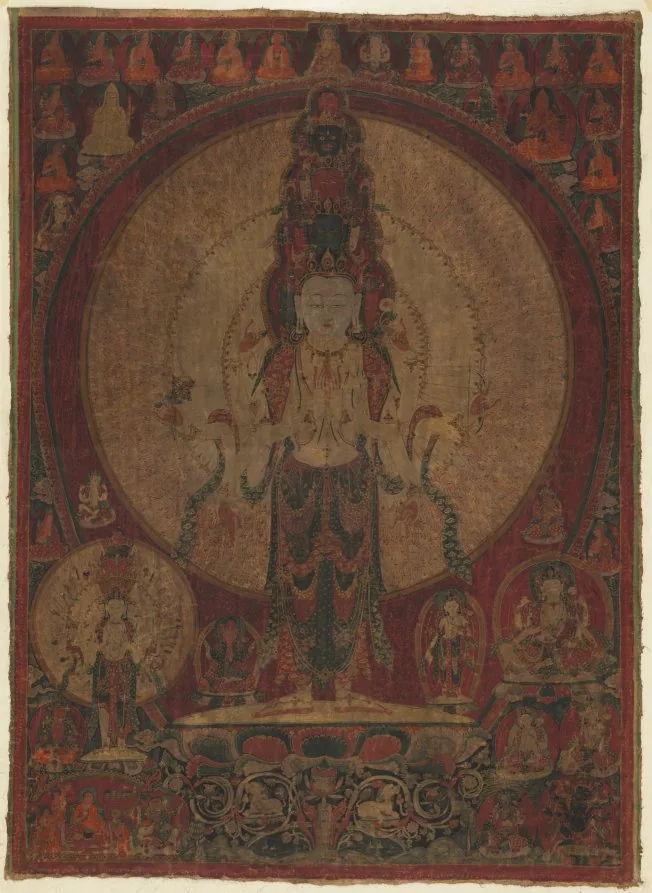
Bodhicitta, Lojong & Tonglen (Mind Training in Seven Points)
Defined as the awakened heart uniting boundless compassion for all beings with wisdom aiming at complete enlightenment, bodhicitta is trained in everyday friction through Lojong slogans and the breath-based meditation of Tonglen (“giving and taking”).
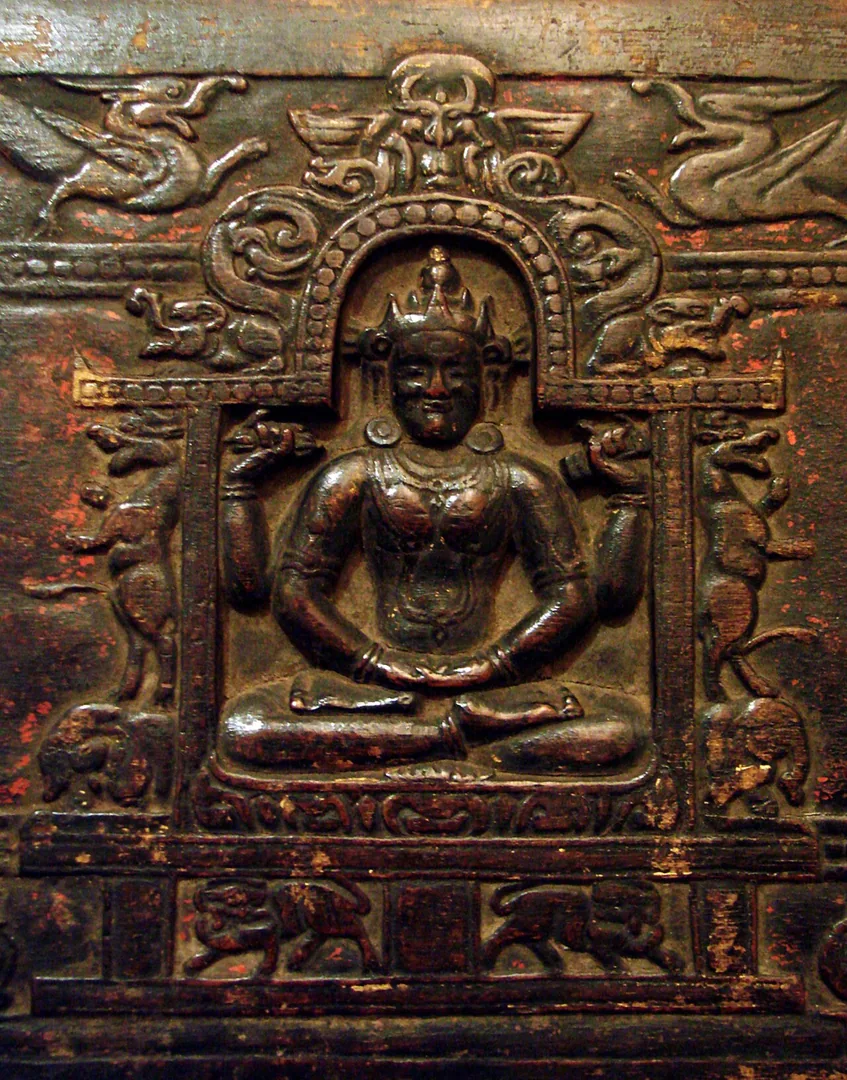
Śūnyatā (Emptiness) & the Two Truths (Madhyamaka)
In Nāgārjuna’s Middle Way philosophy, “emptiness” (stong-pa-nyid) never means nothing exists; it means nothing exists in frozen isolation—and precisely because things lack rigid self-nature, seeds sprout, suffering changes, and awakening works.