November 2026
Tibetan Months 9 – 10
Avoid D25/29/30: Nov 4 · Nov 8 · Nov 9
5 Original Computational & Visual Engines
6 Curatorial Interactive Studios
Phugpa Daybreak Reckoning · Bodhisattva’s Hair Sūtra & White Beryl (བླ་གནས།)
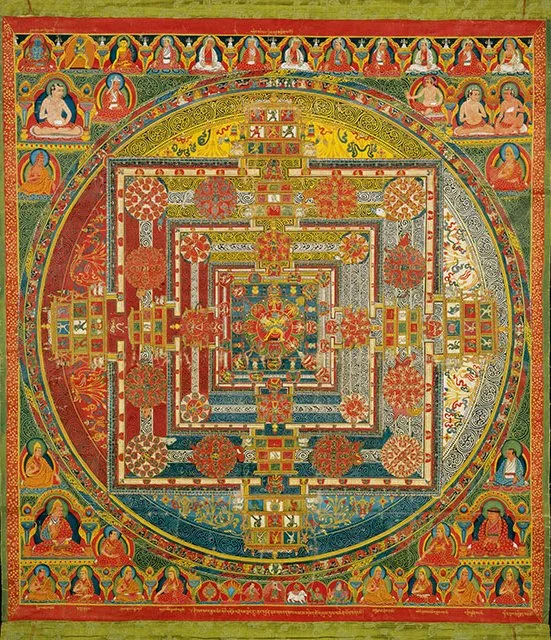
Static “30-day haircut charts” cannot tell you which Gregorian date to book because the Tibetan Phugpa calendar shifts every month through doubled (ལྷག) and skipped (ཆད) lunar days—and 2027 inserts an extra Leap 2nd Month. Below are illuminated monthly Lo-tho folios and the complete 2026–2027 Gregorian schedule.
3-Second Rule (16 Auspicious Lunar Days vs. 14 Avoid Days):
Auspicious Tibetan lunar numbers (16): 3, 4, 5, 8, 9, 10, 11, 13, 14, 15, 18, 19, 22, 23, 26, 27 · Not for a haircut (14): 1, 2, 6, 7, 12, 16, 17, 20, 21, 24, 25, 28, 29, 30 (notably Day 25 Ḍākinī Day and Days 29–30). Click any date tile below to inspect that civil day’s full Phugpa daybreak calculation and weekday-mansion element harmony.
Tibetan Months 9 – 10
Tibetan Months 10 – 11
Tibetan Months 11 – 12
| Gregorian Month | Auspicious Gregorian Dates (Hover or Click for Sūtra Reading) | Skipped Auspicious Tithis (ཆད) |
|---|---|---|
| February 2027 | M1·D14 skipped after 2027-02-19 | |
| March 2027 | Leap M2·D8 skipped after 2027-03-15 | |
| April 2027 | — | |
| May 2027 | — | |
| June 2027 | M4·D10 skipped after 2027-06-13 | |
| July 2027 | — | |
| August 2027 | M6·D5 skipped after 2027-08-06 | |
| September 2027 | — | |
| October 2027 | — | |
| November 2027 | — | |
| December 2027 | M10·D22 skipped after 2027-12-19 |
| Gregorian Month | Auspicious Gregorian Dates | Skipped Auspicious Tithis (ཆད) |
|---|---|---|
| January 2026 | M12·D13 skipped after 2026-01-30 | |
| February 2026 | — | |
| March 2026 | — | |
| April 2026 | M3·D5 skipped after 2026-04-21 | |
| May 2026 | — | |
| June 2026 | — | |
| July 2026 | — | |
| August 2026 | — | |
| September 2026 | — | |
| October 2026 | — |
Every row below pairs two distinct classical Himalayan references for lunar days 1 through 30: the hair-cutting reading from From the Sutra Chapter of Bodhisattva’s Hair (FPMT, 2008) and the daily resting locus of the subtle life-spirit (bla, བླ་གནས།) from Desi Sangye Gyatso’s 1685 treatise The White Beryl (Vaiḍūrya dkar po, vol. 2, p. 303), rooted in the outer astronomical cycle of Kālacakra.
| Lunar Day | Haircut Reading | Sūtra Result (Bodhisattva’s Hair) | Bla-gnas Body Locus (White Beryl) |
|---|---|---|---|
| Day 1 | Not for a haircut | Short life | མཐེ་བོང་། · Big toe (mthe bong) |
| Day 2 | Not for a haircut | Many illnesses | བོལ་ཚིགས། · Instep joint (bol tshigs) |
| Day 3 | Auspicious | Wealth comes | བྱིན་པའི་ཉ། · Calf (byin pa'i nya) |
| Day 4 | Auspicious | A good complexion | རྐེད་པ། · Waist (rked pa) |
| Day 5 | Auspicious | Possessions increase | སྒྱིད་ཁུང་། · Hollow of the knee (sgyid khung) |
| Day 6 | Not for a haircut | A lawsuit | བརླ་ཡི་སུལ། · Groove of the thigh (brla yi sul) |
| Day 7 | Not for a haircut | The complexion fades | དཔྱི་མིག་ཚིགས། · Hip joint (dpyi mig tshigs) |
| Day 8 | Auspicious | Long life | མཁལ་སྟེང་། · Above the kidneys (mkhal steng) |
| Day 9 | Auspicious | Meeting young people | རྩིབ་ལོགས། · Flank of the ribs (rtsib logs) |
| Day 10 | Auspicious | Great power | དཔུང་སྟེང་། · Top of the shoulder (dpung steng) |
| Day 11 | Auspicious | Sharp intelligence | ལག་ངར། · Forearm (lag ngar) |
| Day 12 | Not for a haircut | Danger to life | ལག་པའི་མཐིལ། · Palm (lag pa'i mthil) |
| Day 13 | Auspicious | Good for all beings | སྐེ་མགུལ། · Neck (ske mgul) |
| Day 14 | Auspicious | Becoming wealthy | རྣ་ལྟག་དང་ཟ་འགྲམ། · Behind the ear and the jaw (rna ltag dang za 'gram) |
| Day 15 | Auspicious | Auspicious | སོག་པ། · Shoulder blade (sog pa) |
| Day 16 | Not for a haircut | Thirst | ལྟག་ཟ་འགྲམ། · Nape and jaw (ltag za 'gram) |
| Day 17 | Not for a haircut | The flesh turns blue | སྐེ་མཇིང་། · Neck (ske mjing) |
| Day 18 | Auspicious | Receiving possessions | ལག་མཐིལ། · Palm (lag mthil) |
| Day 19 | Auspicious | Meeting helpful people | ལག་ངར། · Forearm (lag ngar) |
| Day 20 | Not for a haircut | Hunger and thirst | དཔུང་སོག་སྟེང་། · Top of the shoulder blade (dpung sog steng) |
| Day 21 | Not for a haircut | Illness | རྩིབ་ལོགས། · Flank of the ribs (rtsib logs) |
| Day 22 | Auspicious | Finding food and water | མཁལ་མའི་སྟེང་། · Above the kidneys (mkhal ma'i steng) |
| Day 23 | Auspicious | Things go well | དཔྱི་མིག་ཚིགས། · Hip joint (dpyi mig tshigs) |
| Day 24 | Not for a haircut | Eye pain | བརླ་སུལ། · Groove of the thigh (brla sul) |
| Day 25 | Not for a haircut | Contagious illness | སྒྱིད་ཁུང་། · Hollow of the knee (sgyid khung) |
| Day 26 | Auspicious | Lasting happiness | པུས་མོའི་སྟེང་། · Above the knee (pus mo'i steng) |
| Day 27 | Auspicious | Virtue increases | བྱིན་ཉ། · Calf (byin nya) |
| Day 28 | Not for a haircut | Fights and quarrels | ལོང་བུའི་ཚིགས། · Ankle joint (long bu'i tshigs) |
| Day 29 | Not for a haircut | The life-spirit wanders | ངར་གདོང་། · Shin (ngar gdong) |
| Day 30 | Not for a haircut | Meeting spirits of the dead | ལུས་པོ་བྱིངས། · Whole body (lus po byings) |
Before relying on social-media graphics, check which textual tradition is actually being cited—and remember that in Buddhist practice, compassionate motivation and open prayers such as Green Tārā always take precedence over minor astrological customs:
| System / Text | Primary Function | How Dates Shift Each Year | Common Misconception |
|---|---|---|---|
Bodhisattva’s Hair Sūtra Chapter (སྐྲ་བྲེགས། · FPMT 2008) | Gives one auspicious or harmful result for cutting hair on each of the 30 lunar days (16 auspicious, 14 avoid) | Follows Phugpa lunar day at daybreak: shifts 10–19 days per Gregorian year, with doubled (ལྷག) and omitted (ཆད) days | Often misattributed to the White Beryl, or pasted onto fixed Gregorian/Chinese lunar dates without ལྷག/ཆད calculation |
Desi Sangye Gyatso’s White Beryl (བཻ་ཌཱུརྱ་དཀར་པོ།, 1685) | Vol. 2, p. 303 maps the wandering life-spirit (བླ་གནས། bla-gnas) to avoid bloodletting/moxibustion; vol. 2, p. 404 covers washing hair | Mapped to the same 1–30 Phugpa lunar numbers from big toe (Day 1) to whole body (Day 30) | Contains no 30-day hair-cutting list; its p. 404 table is explicitly for washing the hair (dbu skra ’khru ba) |
Chinese Lunisolar Calendar (农历) & Monastic Vinaya | Chinese 农历 reckons new moons from midnight at 120°E without Tibetan ལྷག/ཆད tithi gaps; monastic sojong fixes communal head-shaving by Vinaya | Diverges from Phugpa Tibetan dates whenever a tithi is skipped/doubled or when intercalary leap months differ (e.g., 2027 Leap Month 2) | Ordained monks & nuns shave together before the 15th/30th sojong confession regardless of worldly fortune tables |
In From the Sutra Chapter of Bodhisattva’s Hair (translated by Lama Zopa Rinpoche, FPMT, 2008), 16 lunar days carry auspicious readings: 3, 4, 5, 8, 9, 10, 11, 13, 14, 15, 18, 19, 22, 23, 26, 27—notably Day 8 (“Long life”), Day 9 (“Meeting young people”), Day 10 (“Great power”), Day 11 (“Sharp intelligence”), Day 13 (“Good for all beings”), Day 14 (“Becoming wealthy”), and Day 15 (“Auspicious”). By contrast, 14 lunar days (1, 2, 6, 7, 12, 16, 17, 20, 21, 24, 25, 28, 29, 30) carry unfavorable readings, including Day 25 (“Contagious illness”) and Days 29–30 (“The life-spirit wanders” / “Meeting spirits of the dead”). Dharma feast days and everyday almanac readings serve two distinct purposes.
Phugpa Tibetan astronomy assigns each civil day the lunar tithi running at local daybreak. When an auspicious tithi spans two consecutive daybreaks (lhag, ལྷག—such as December 11 and December 12, 2026, both carrying Tibetan Month 11, Day 3), both civil days carry that auspicious lunar number at dawn. Conversely, when an auspicious tithi begins after one daybreak and ends before the next (chad, ཆད—such as Month 11, Day 15 skipped after December 23, 2026), no civil day carries that lunar number at dawn, so you simply pick the preceding Day 14 (December 23) or another auspicious day.
The Chinese lunisolar calendar anchors Month 1 and new moons by astronomical conjunction in the UTC+8 midnight civil frame and never omits or doubles individual day numbers within a month. The Tibetan Phugpa system (1447 CE) calculates true sun and moon at daybreak (producing doubled and skipped day numbers almost every month) and inserts intercalary leap months on its own 65-month Kālacakra cycle—for example, 2027 has a Tibetan Leap 2nd Month (March 9 – April 6, 2027), shifting Tibetan dates an entire month away from Chinese lunar dates.
In Tibetan culture, checking skra-bregs dates is a gentle folk-astrological custom (rtsis) for harmonizing everyday routines with lunar rhythm—never a core Buddhist precept or deterministic fate. Ordained monks and nuns shave their heads on fixed Vinaya confession schedules regardless of astrological tables. As Lama Zopa Rinpoche noted when publishing the translation, generating bodhicitta, reciting Dependent Origination or Green Tārā’s mantra, and dedicating merit eclipses any minor astrological obstacle when you need a haircut on an ordinary day.